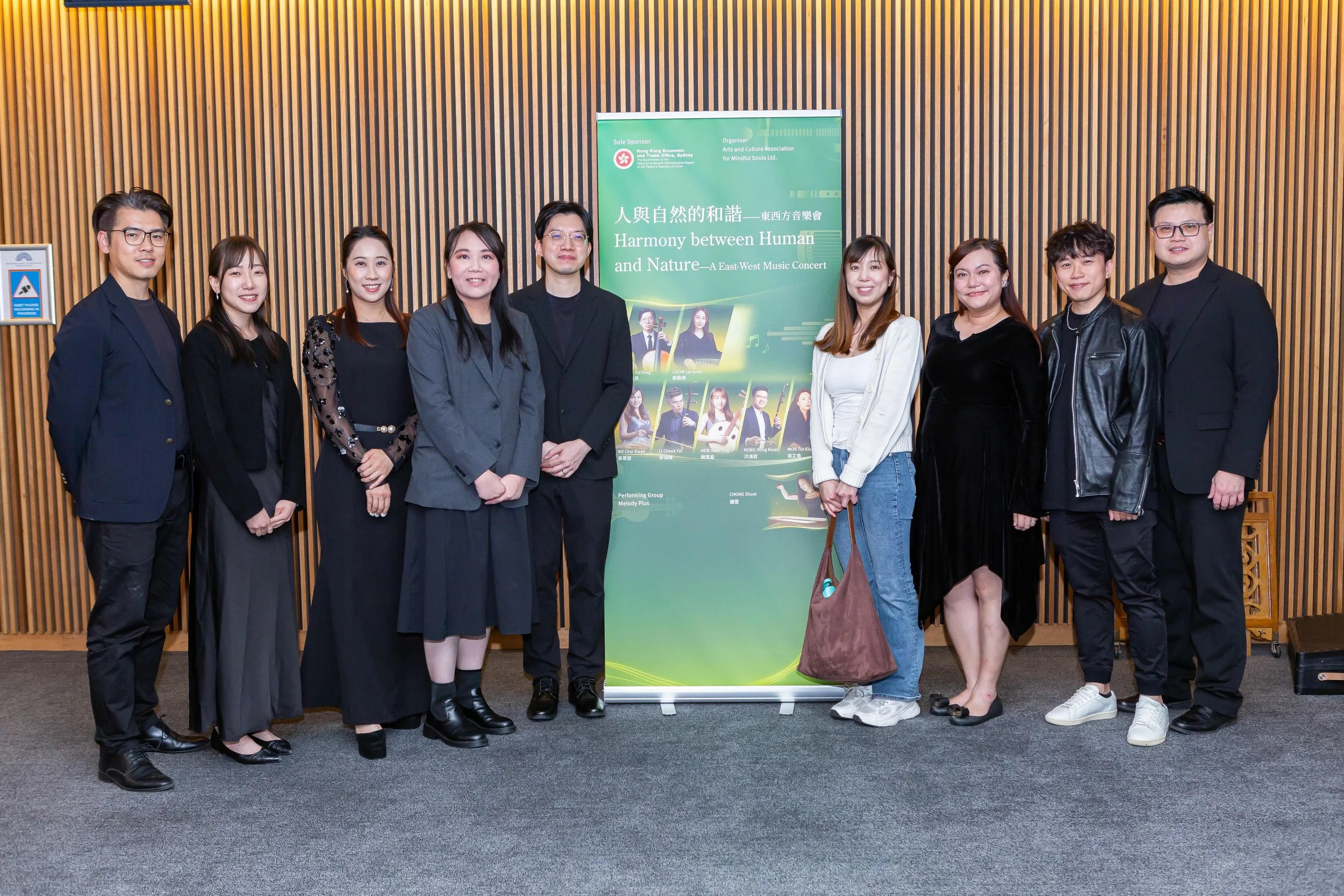
The Concert
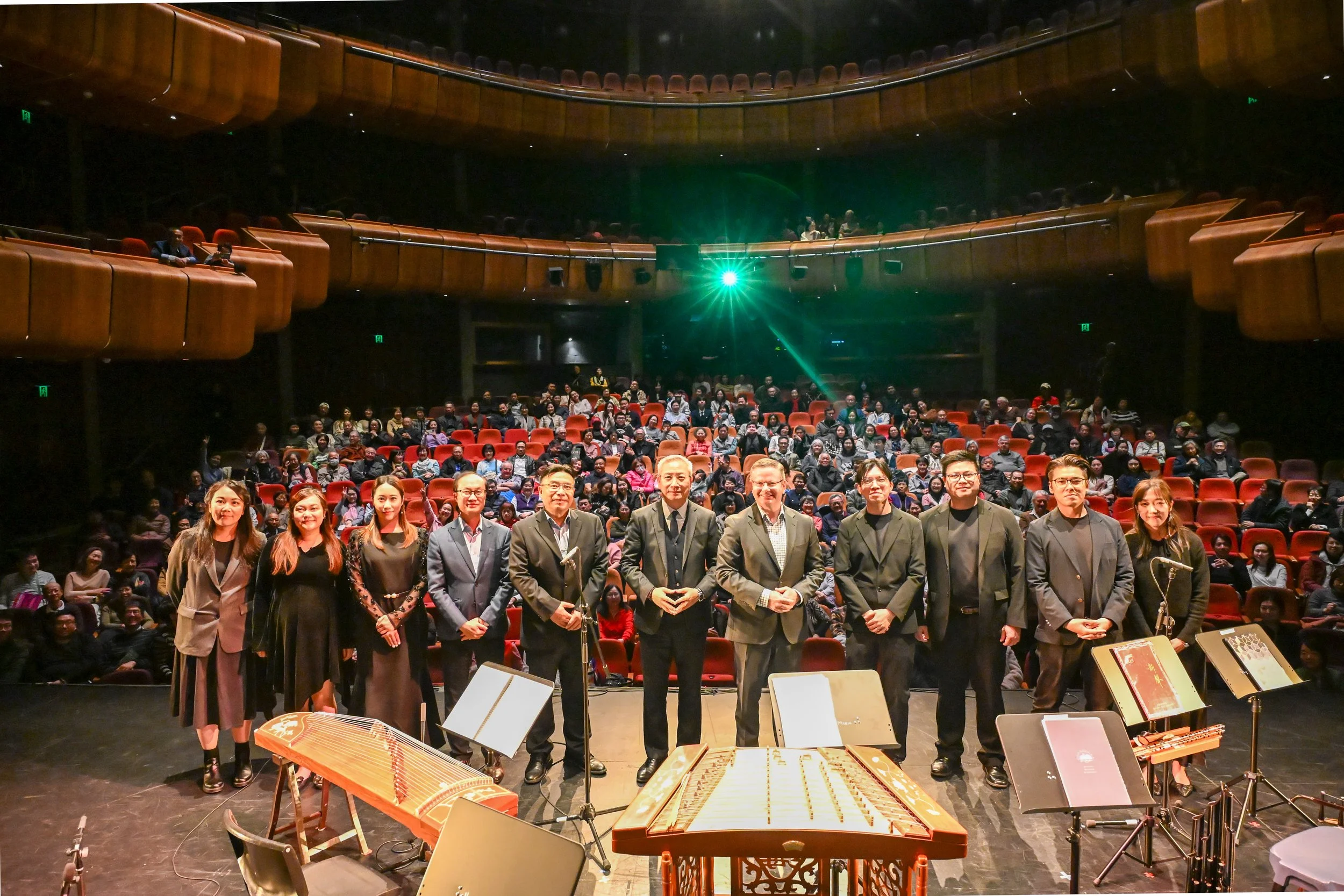
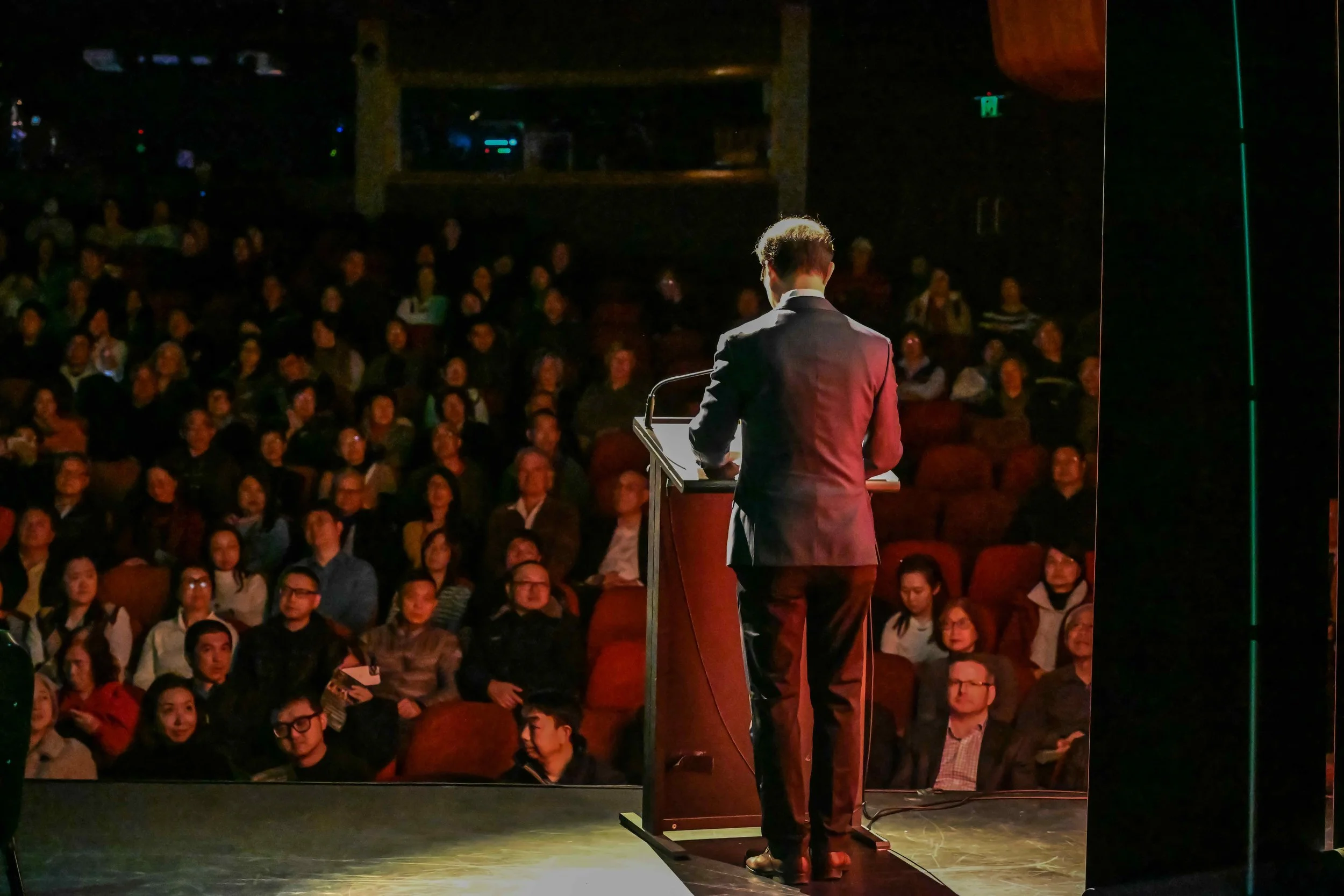
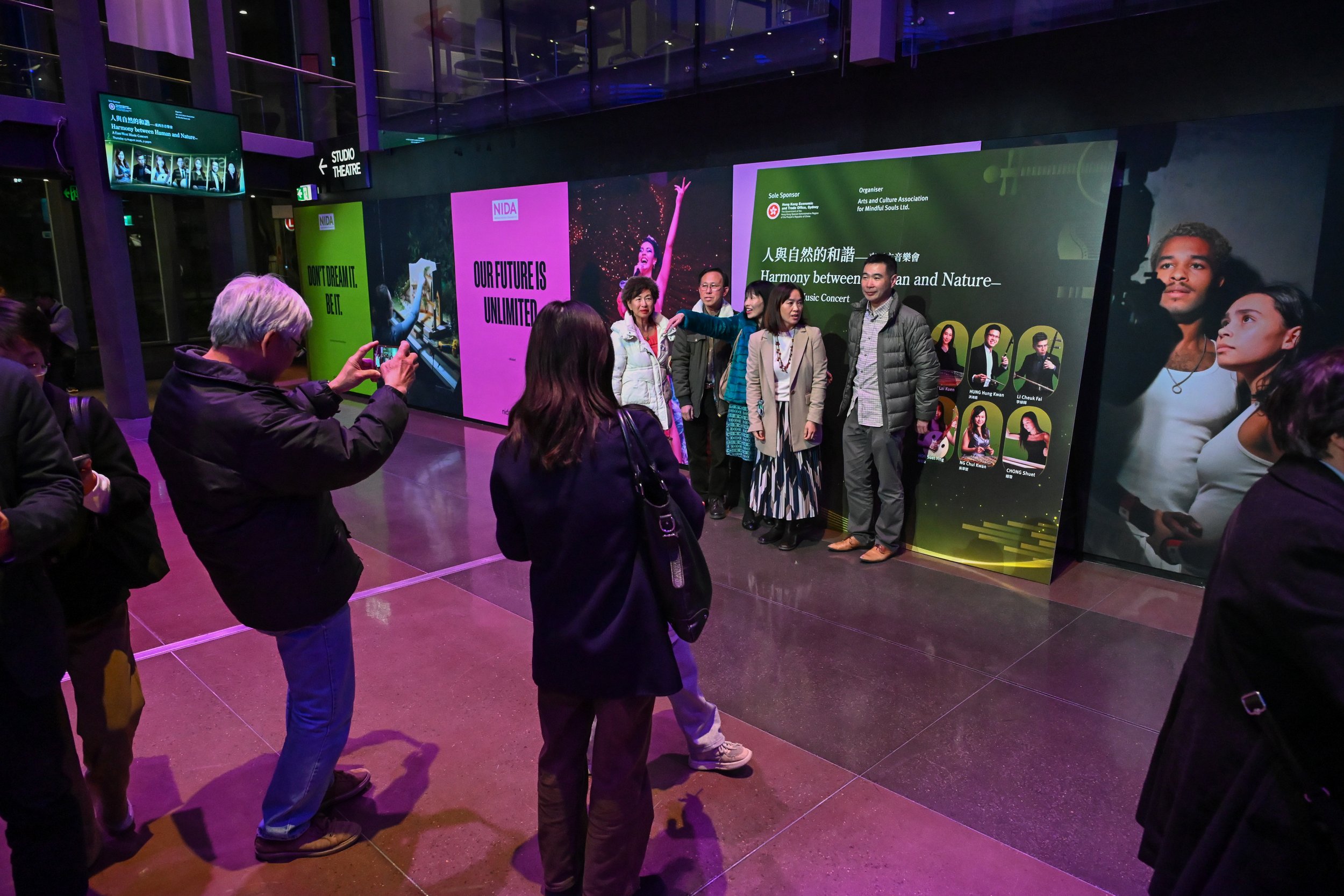
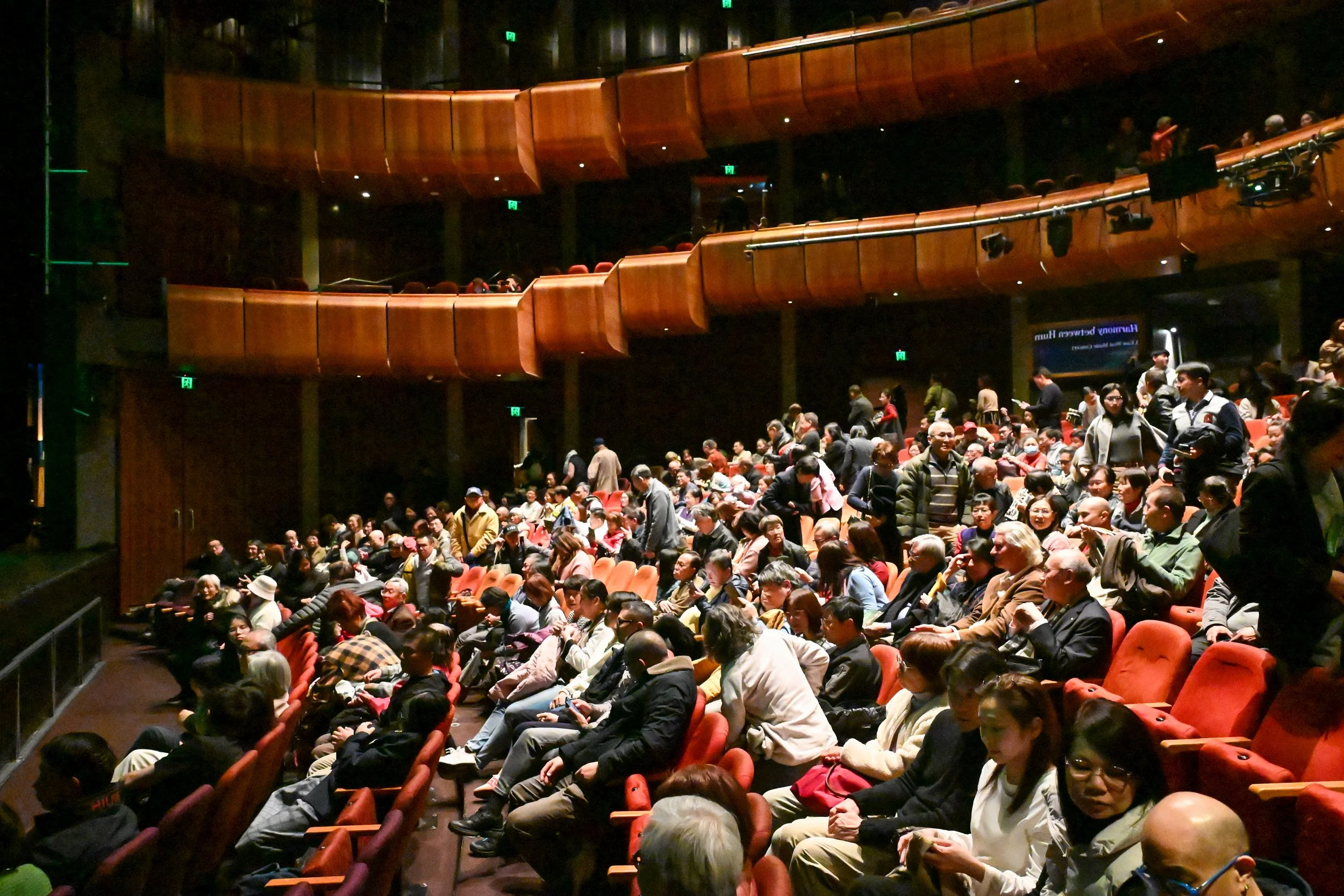
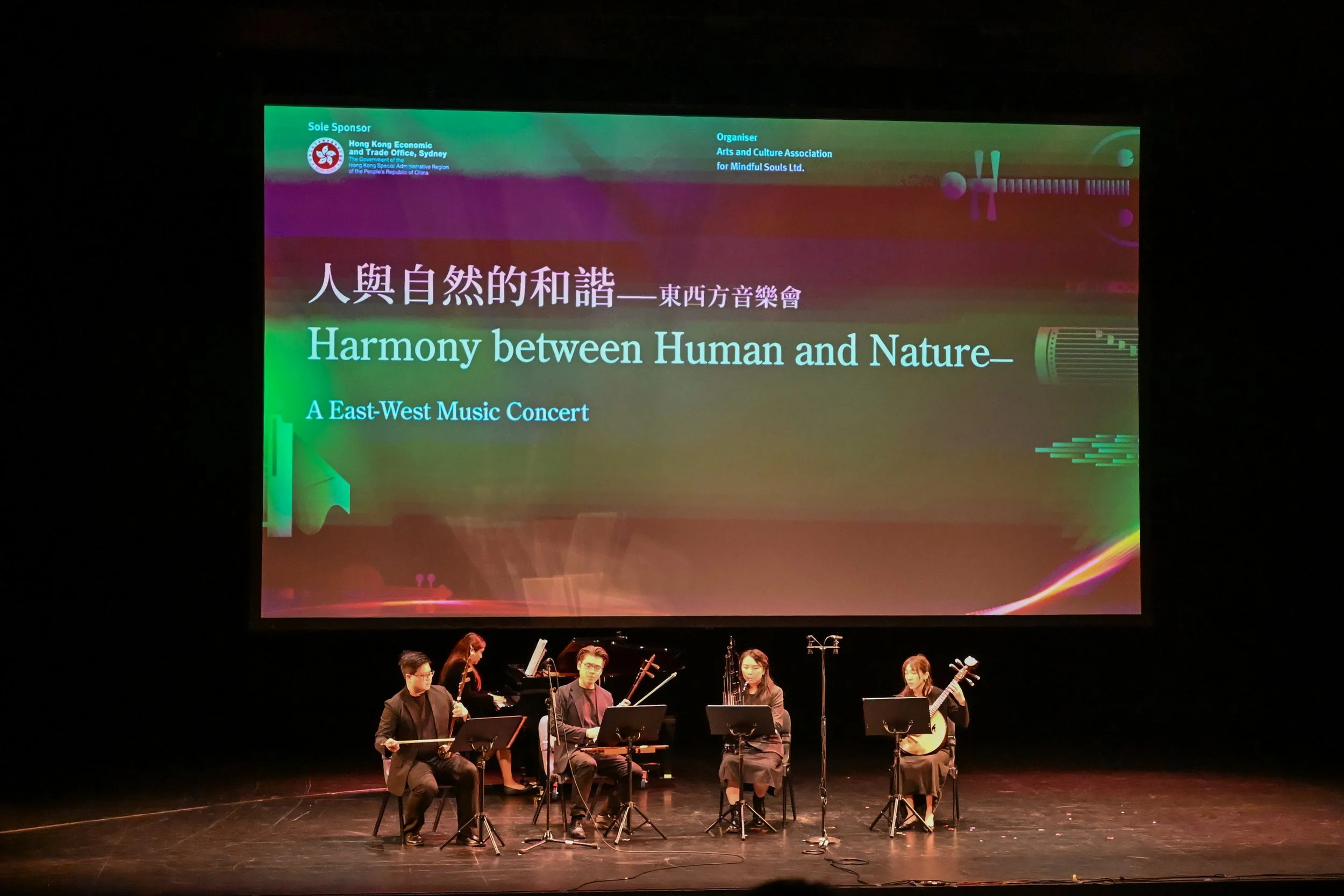
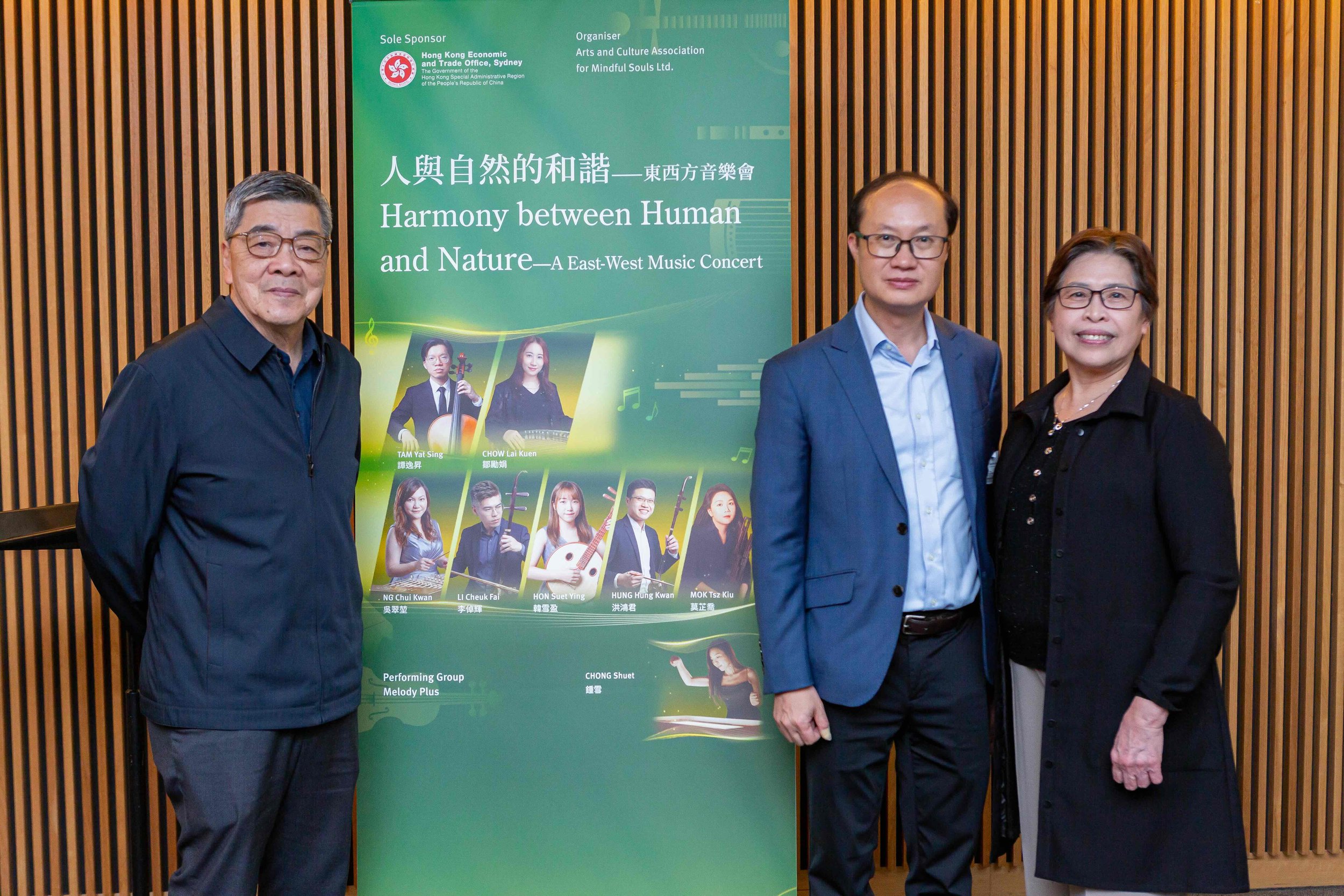
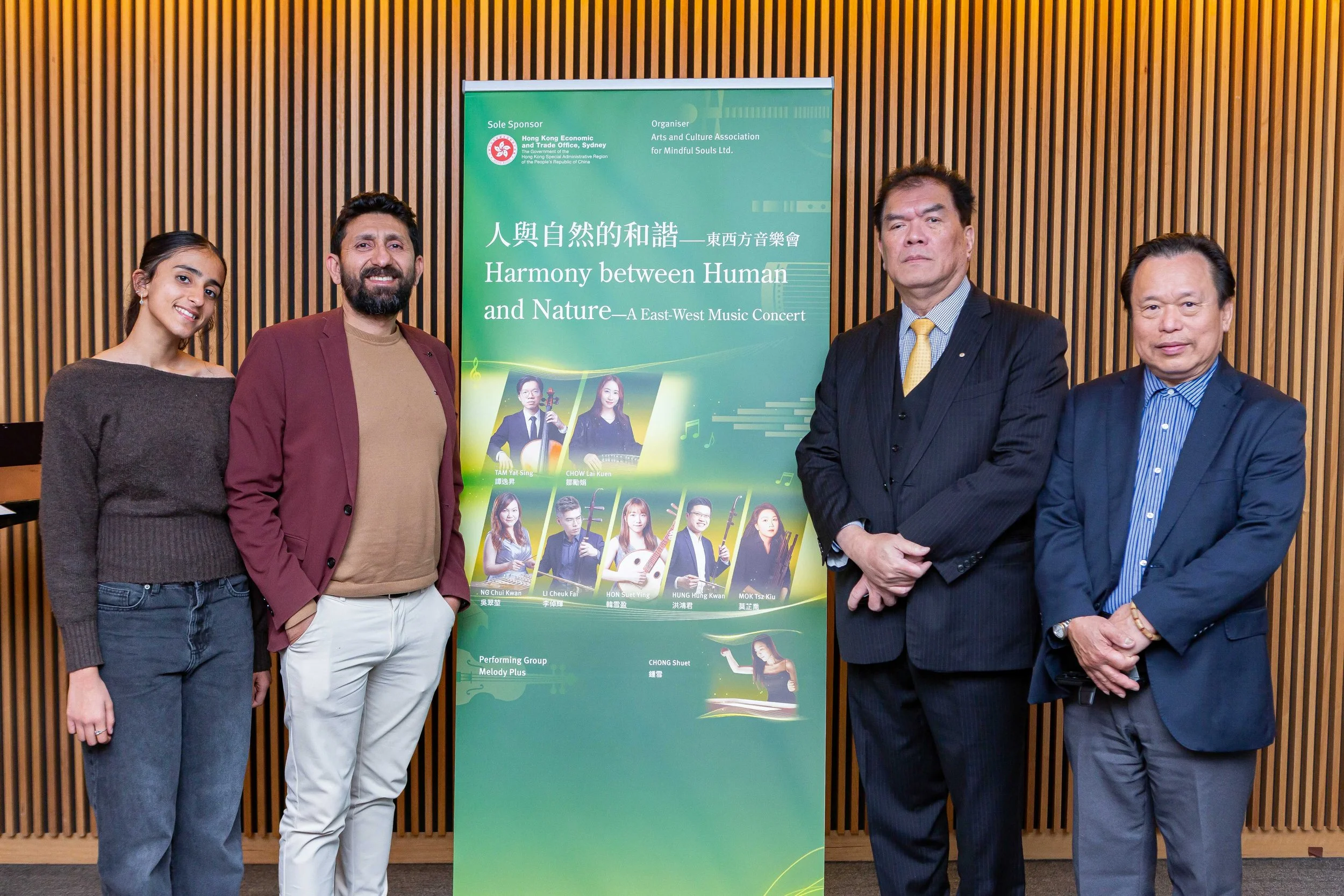
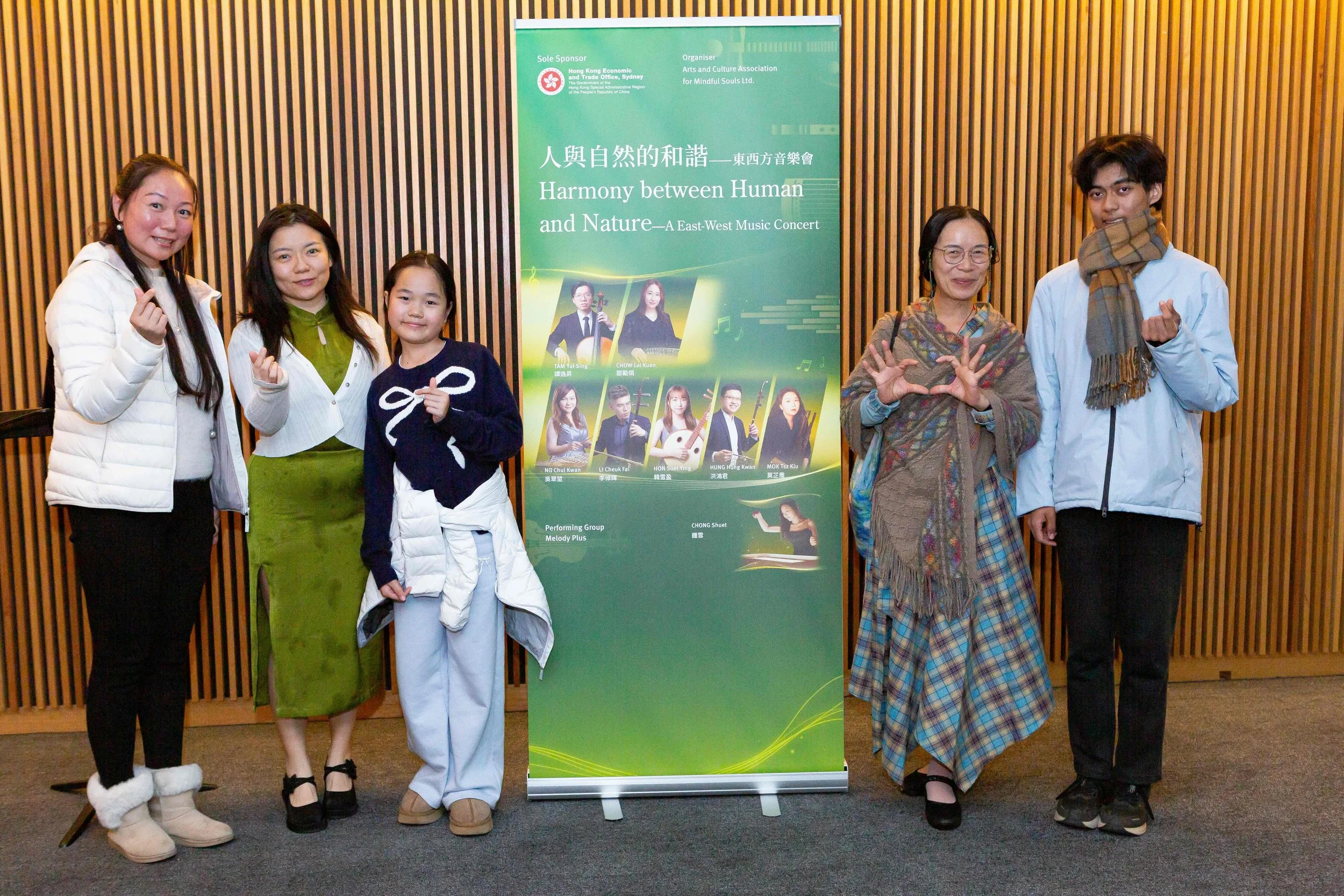
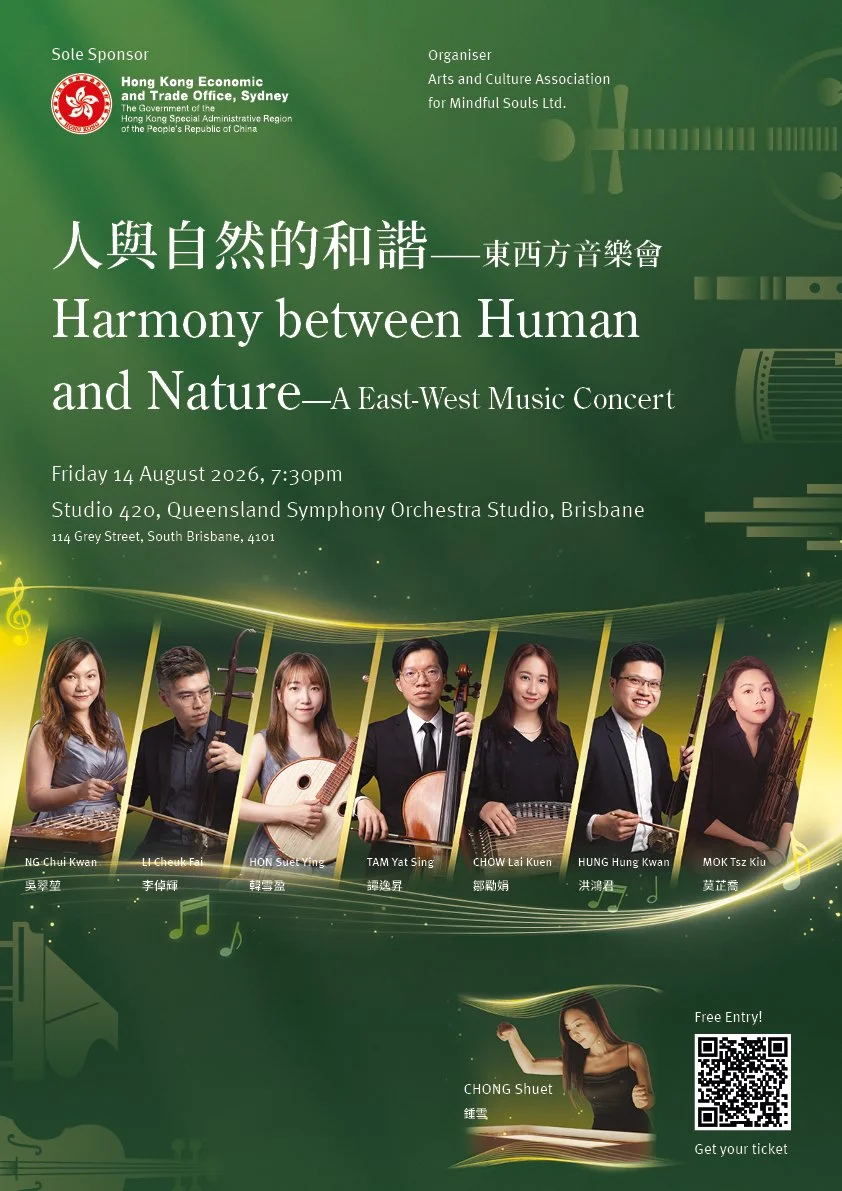
A concert music performance where music becomes the bridge between humanity and the natural world. The concert invites audience to embark on a journey that explores and celebrates the profound relationship between human beings and nature through the universal language of music. The programme is thoughtfully curated around this theme, offering a rich tapestry of sound that draws inspiration from the earth, the seasons, and the intricate beauty of our environment.
The Music Director has masterfully reimagined a diverse selection of classical masterpieces, beloved movie soundtracks, captivating animation themes, and timeless Chinese folk songs. Through innovative arrangements that seamlessly blend Eastern and Western musical traditions, each work is presented in a fresh and evocative light. Audiences will experience familiar melodies transformed by new textures, revealing unexpected connections between cultures, genres, and the natural world that inspired them.
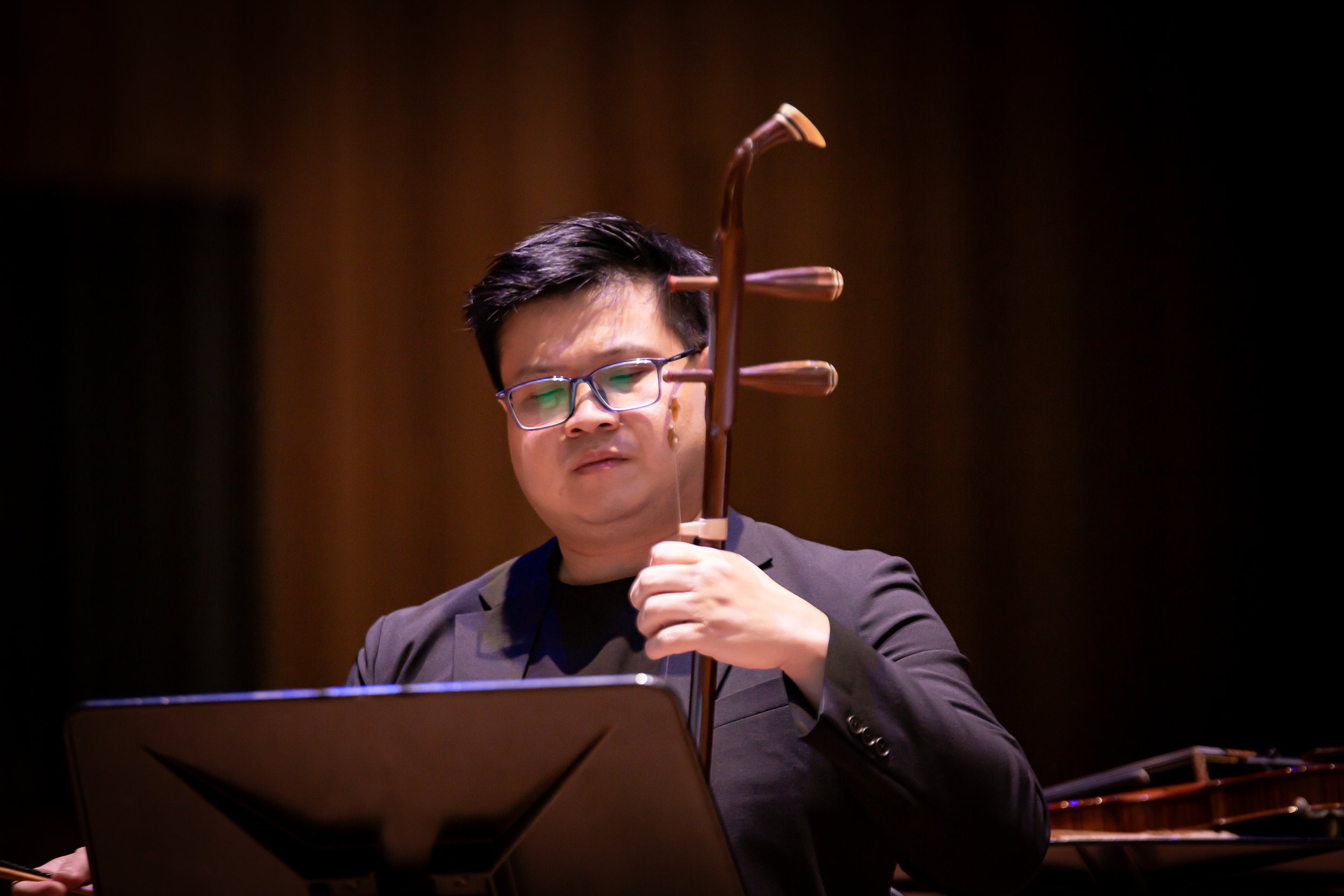
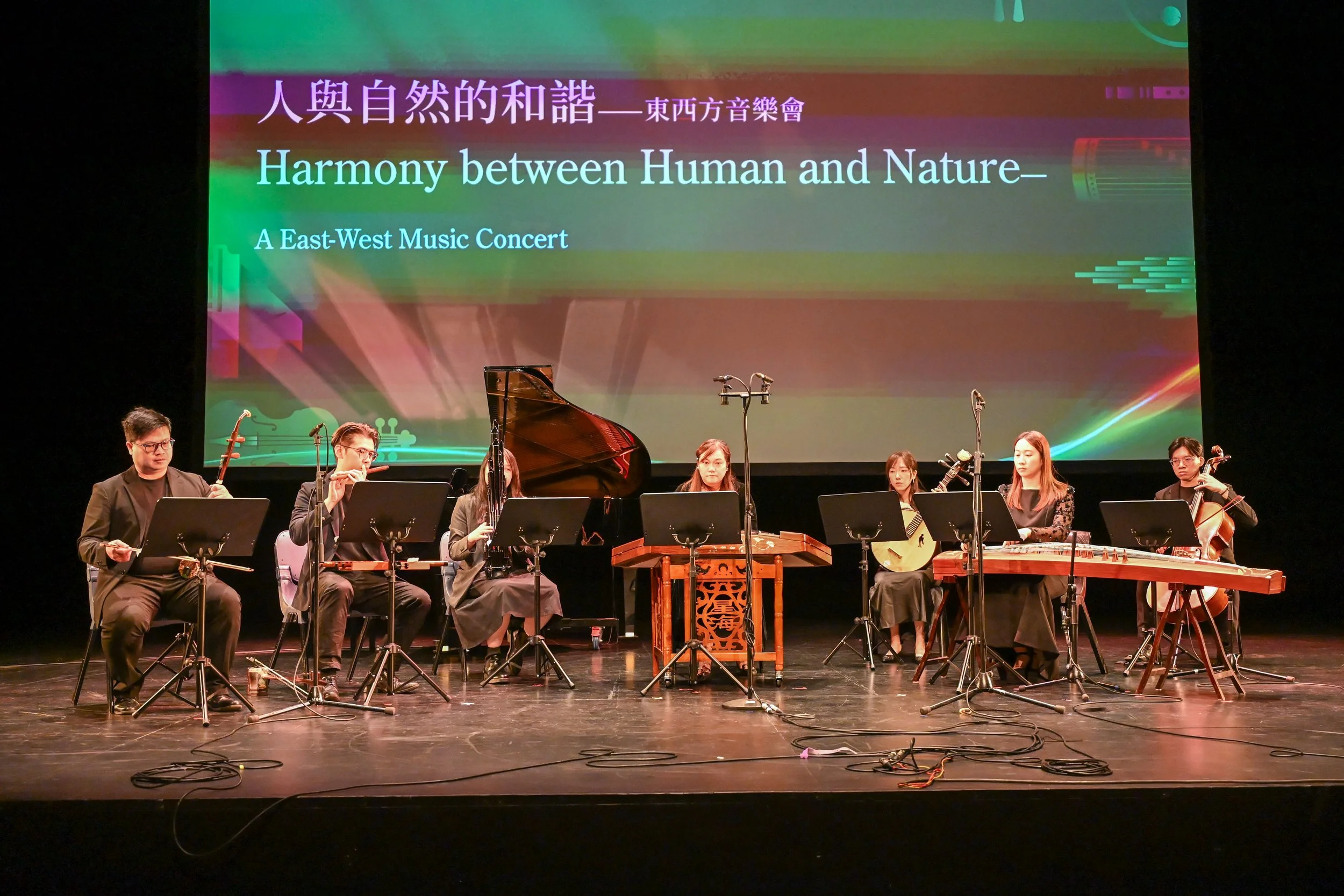
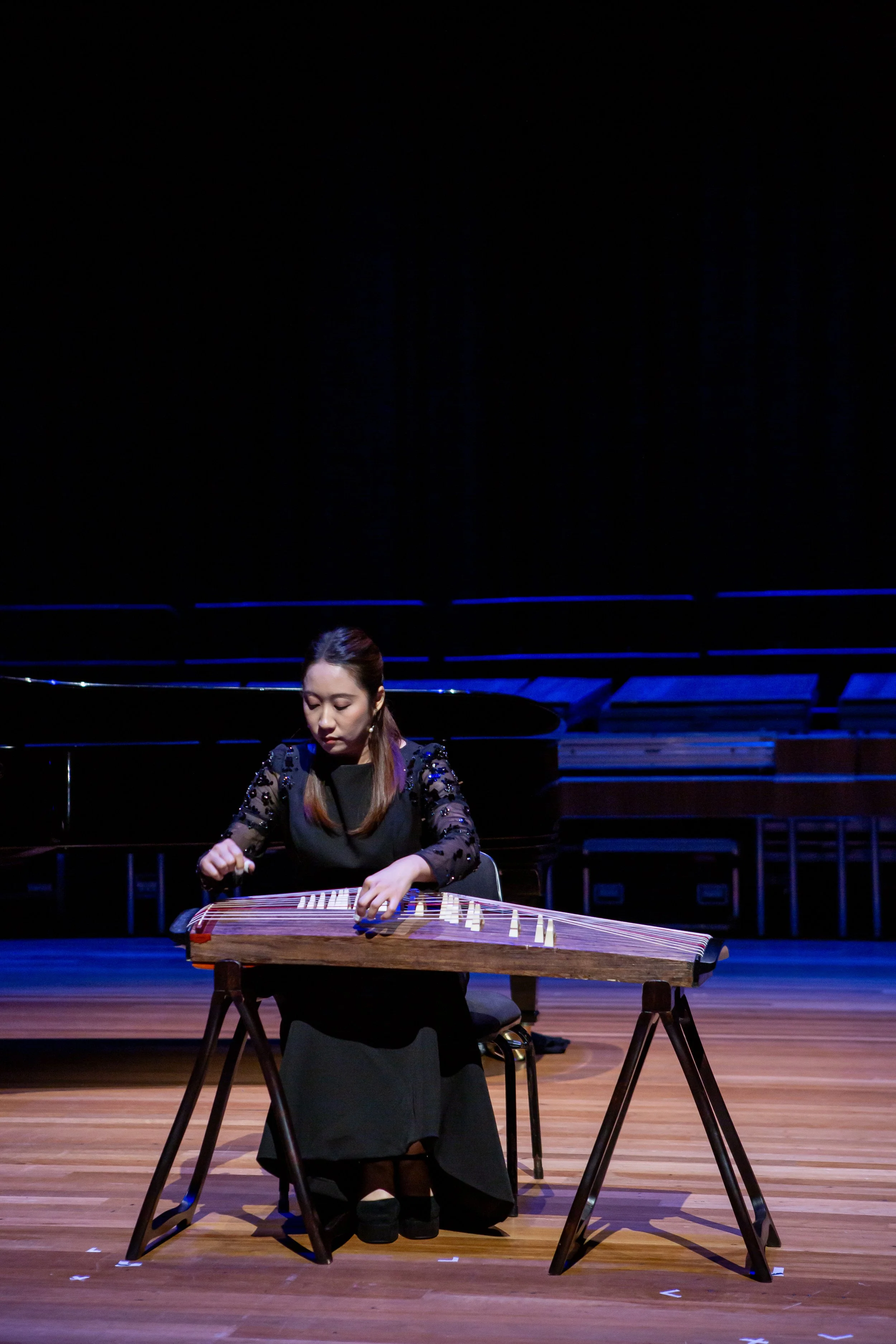
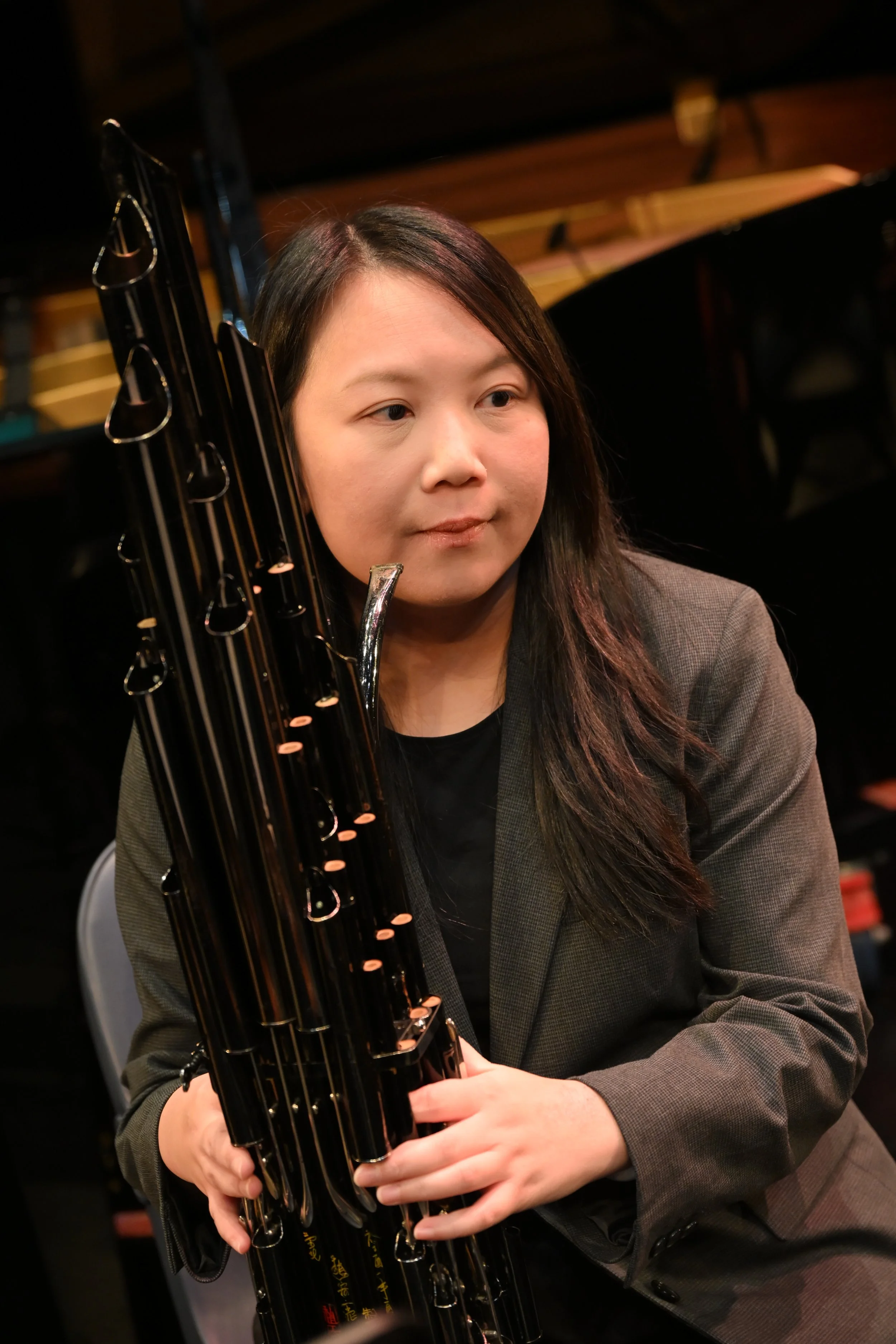
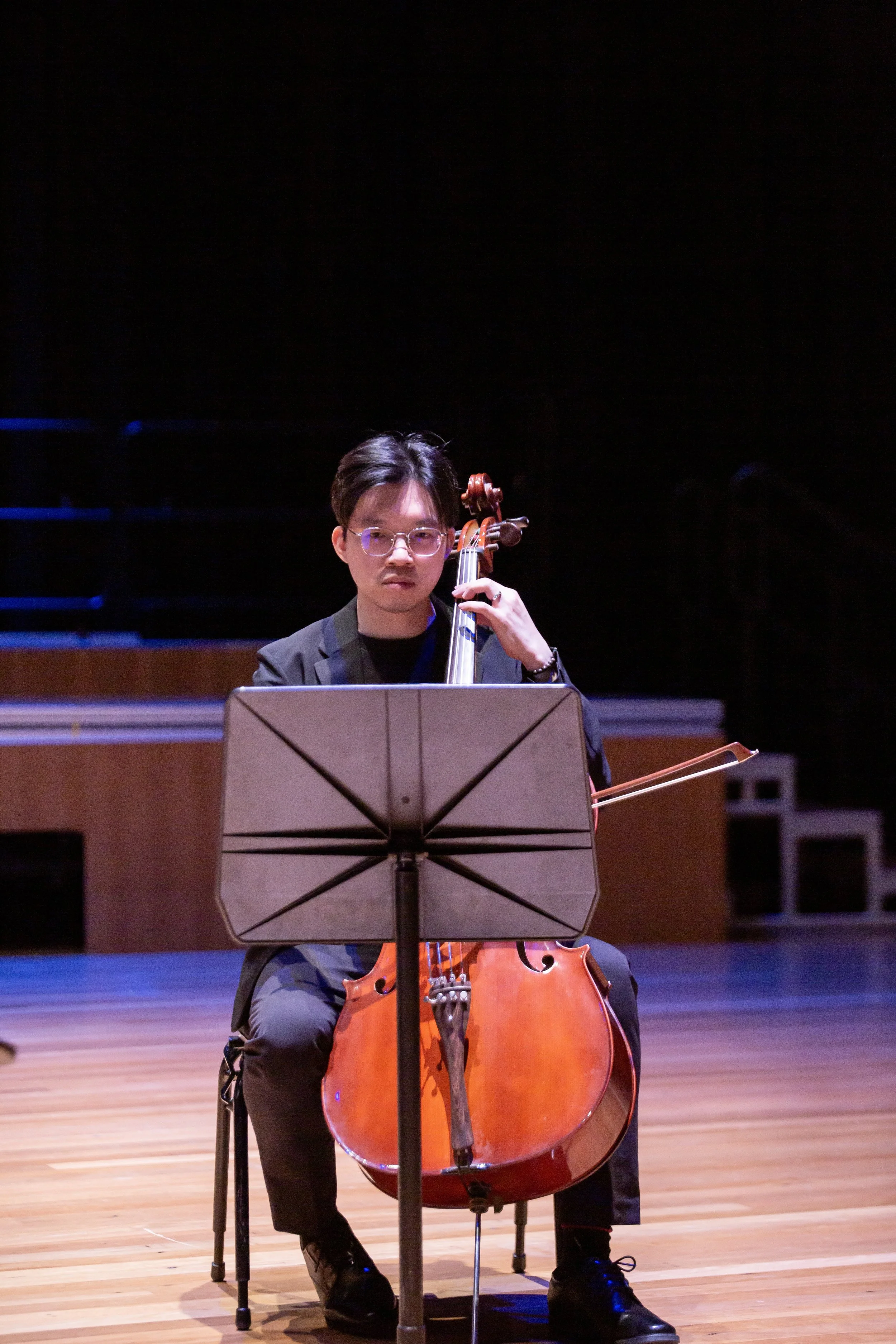
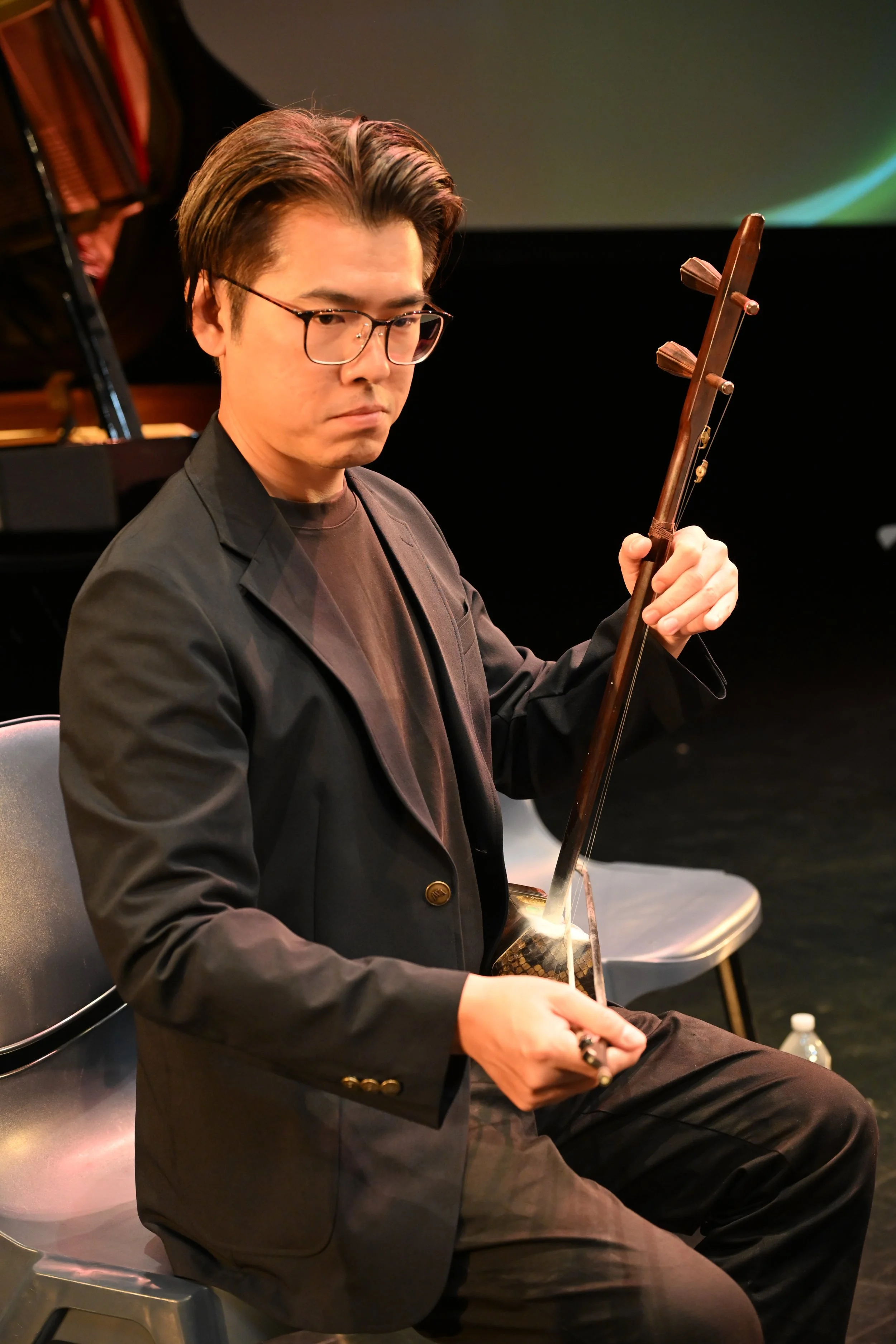
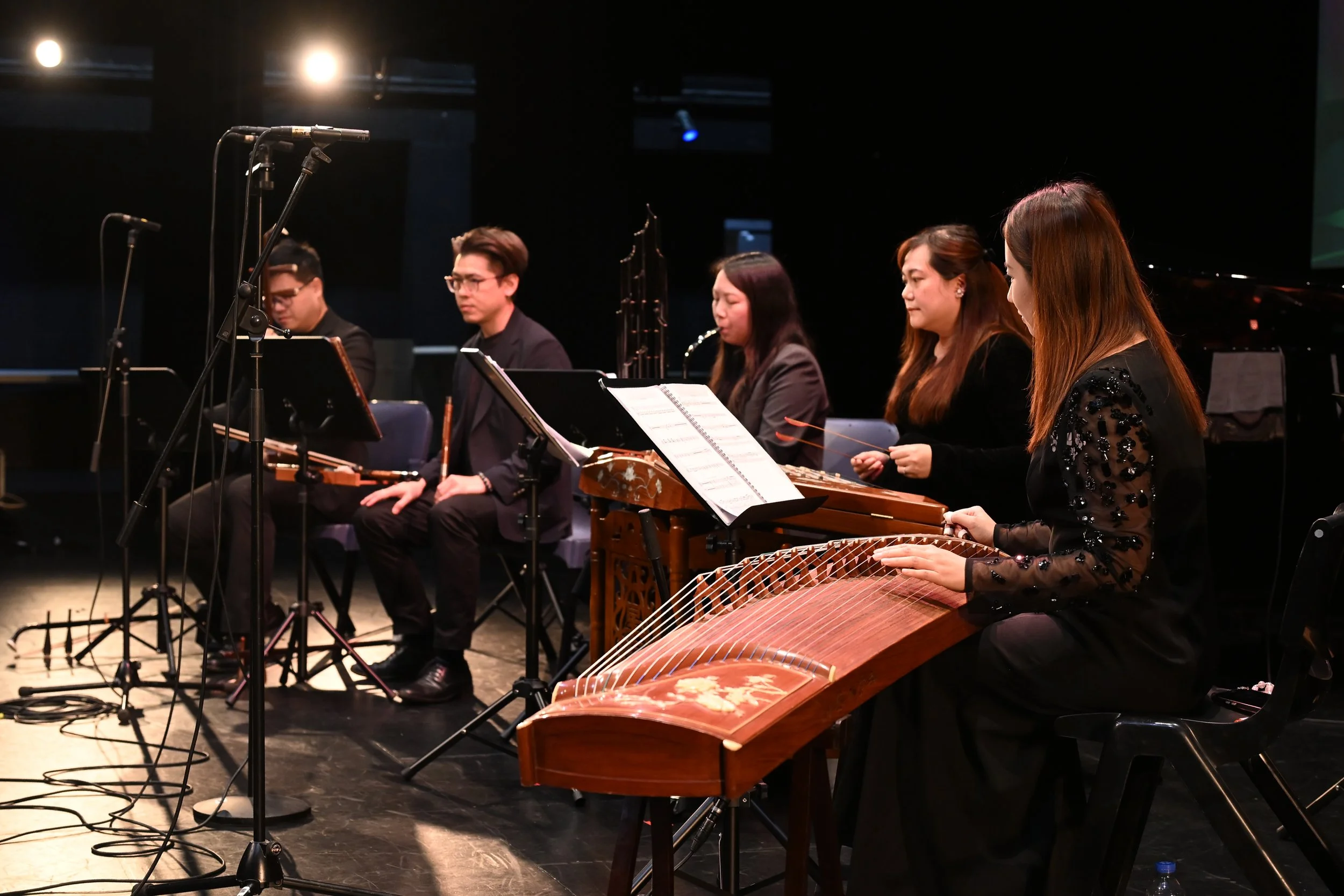
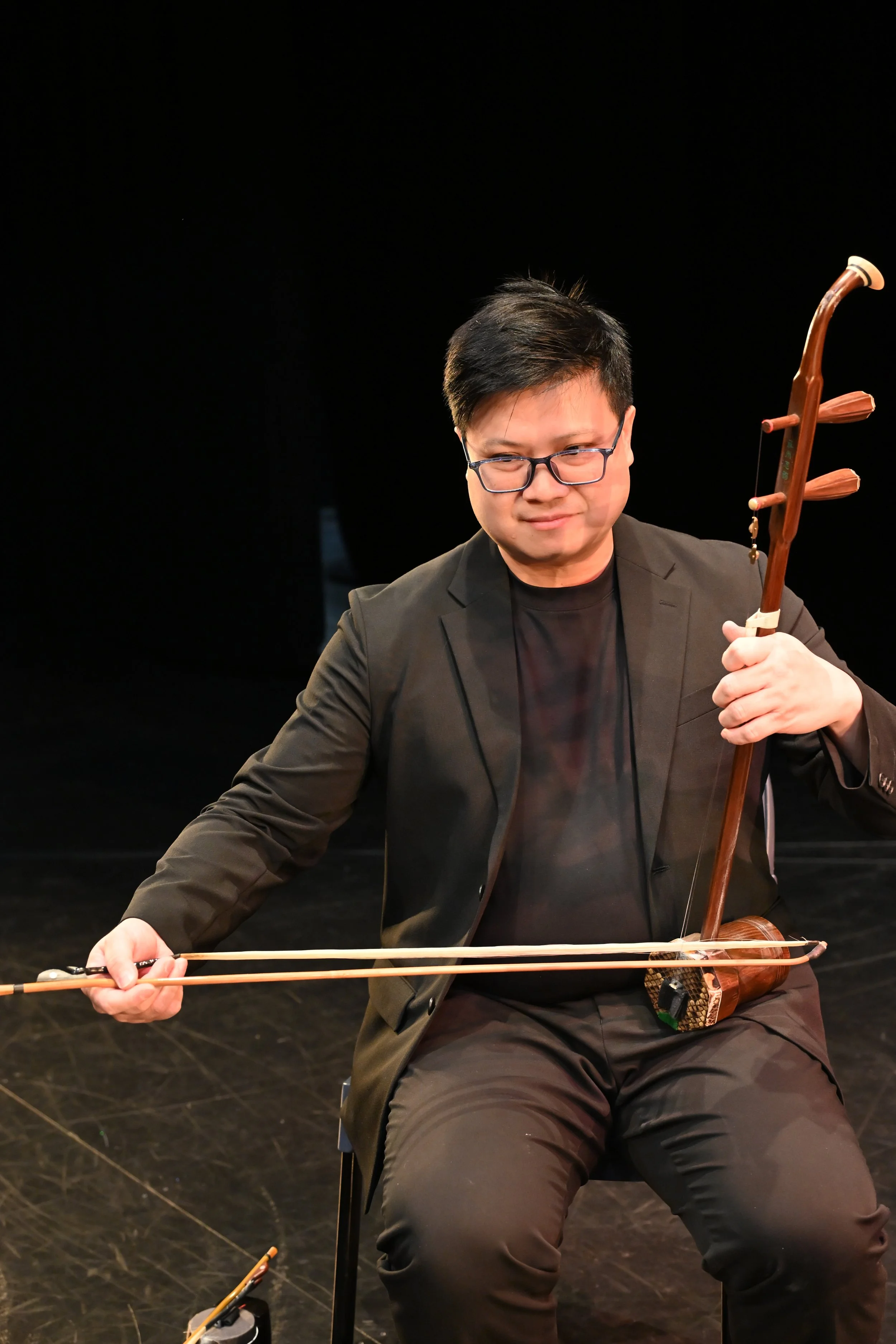
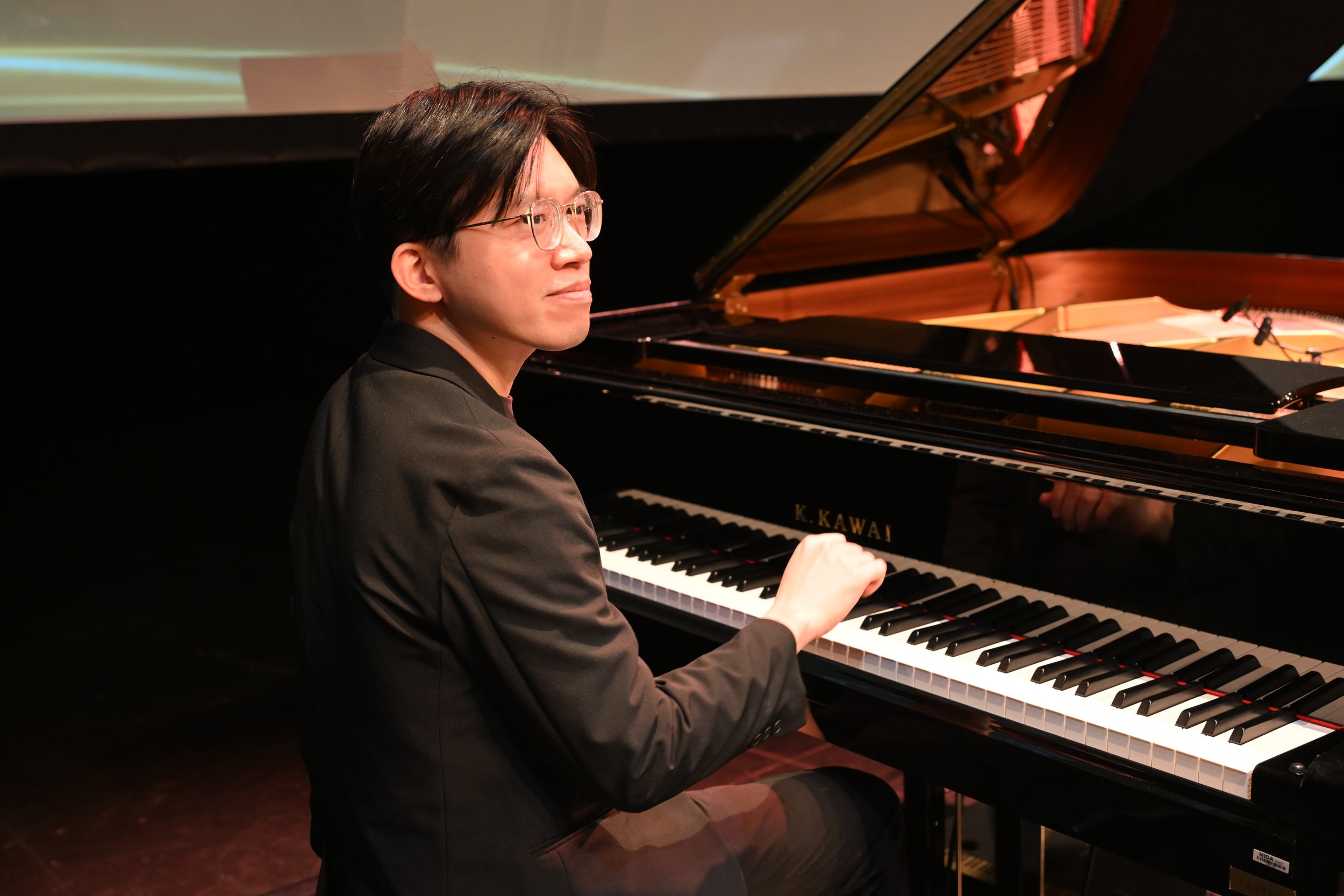
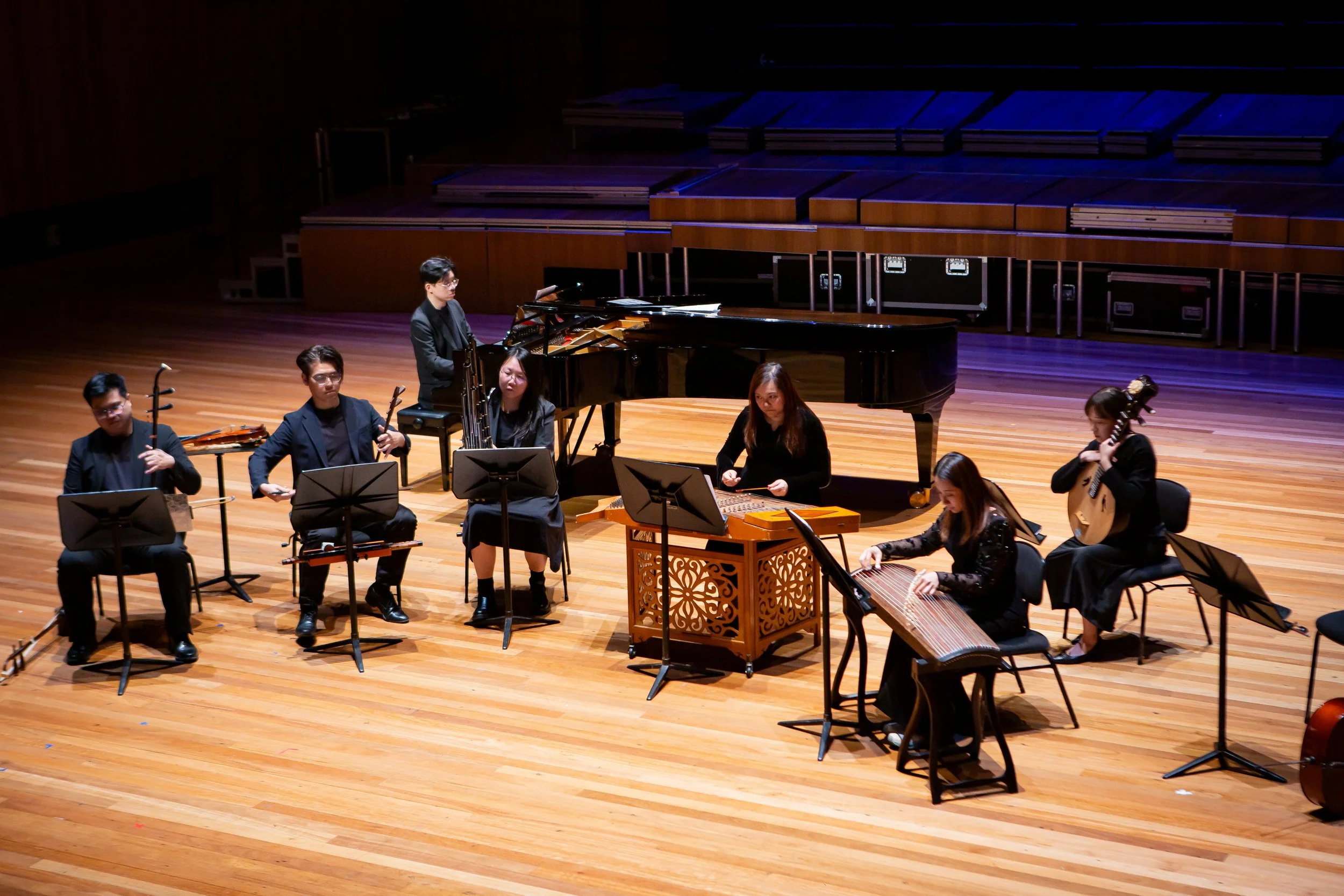
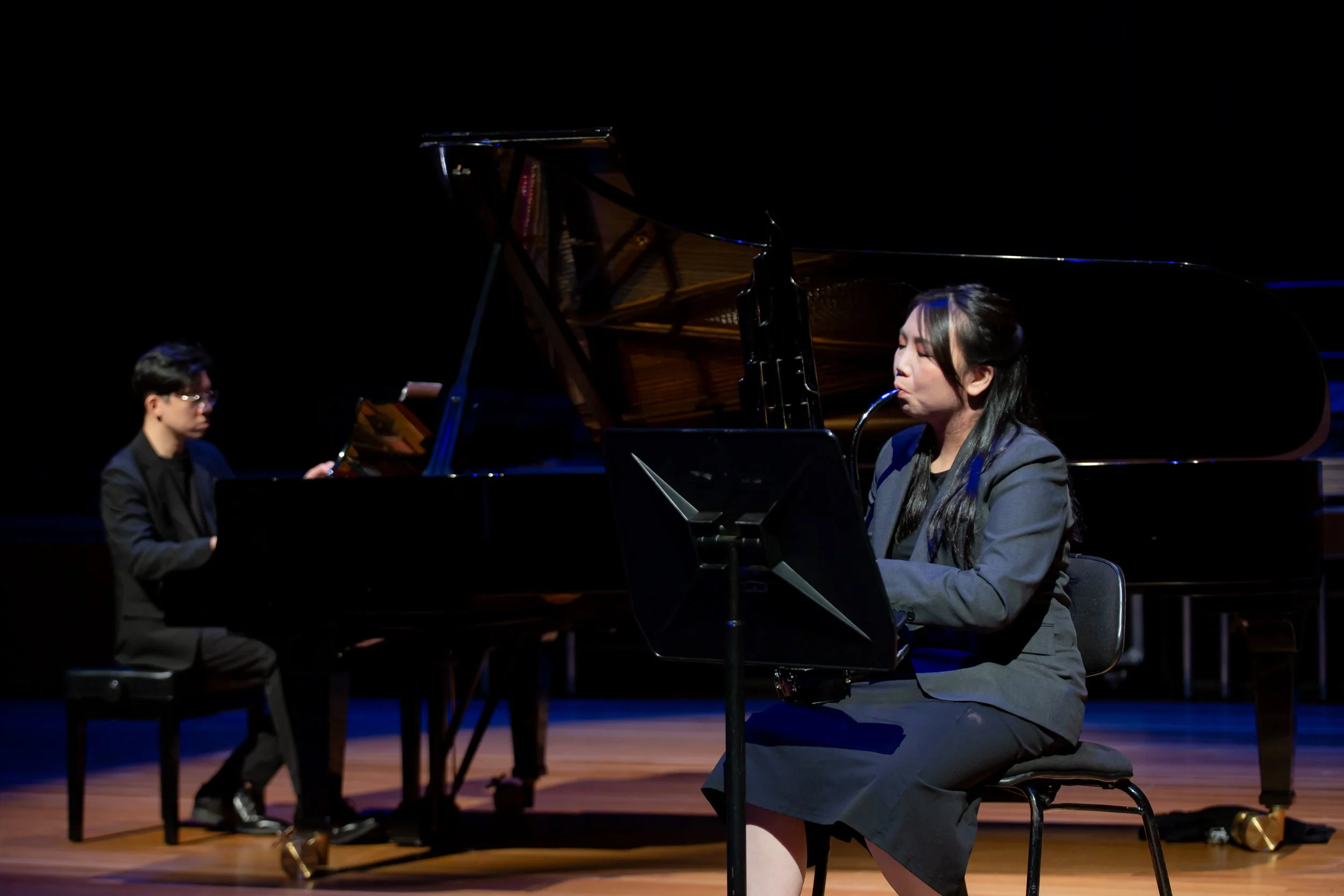
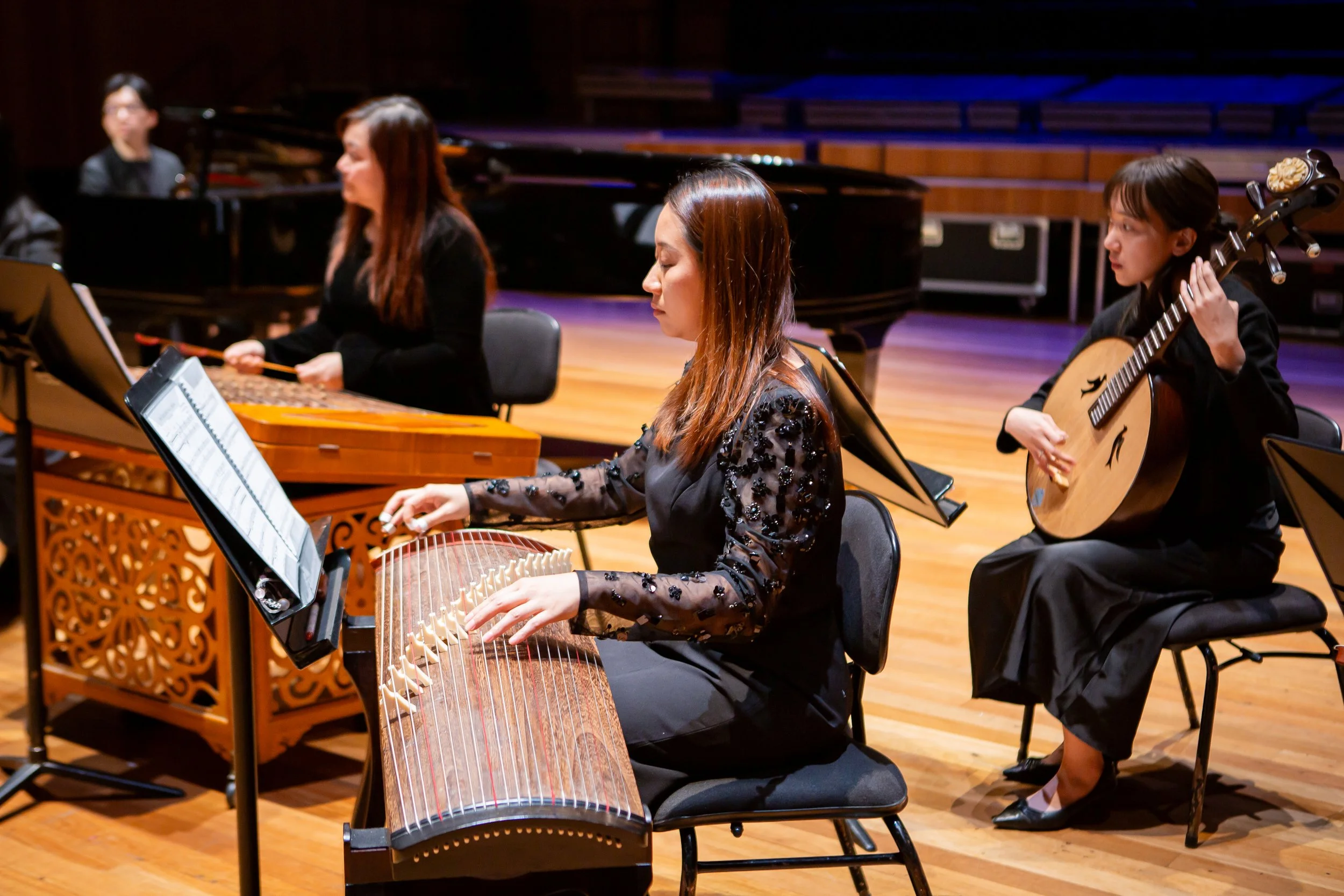
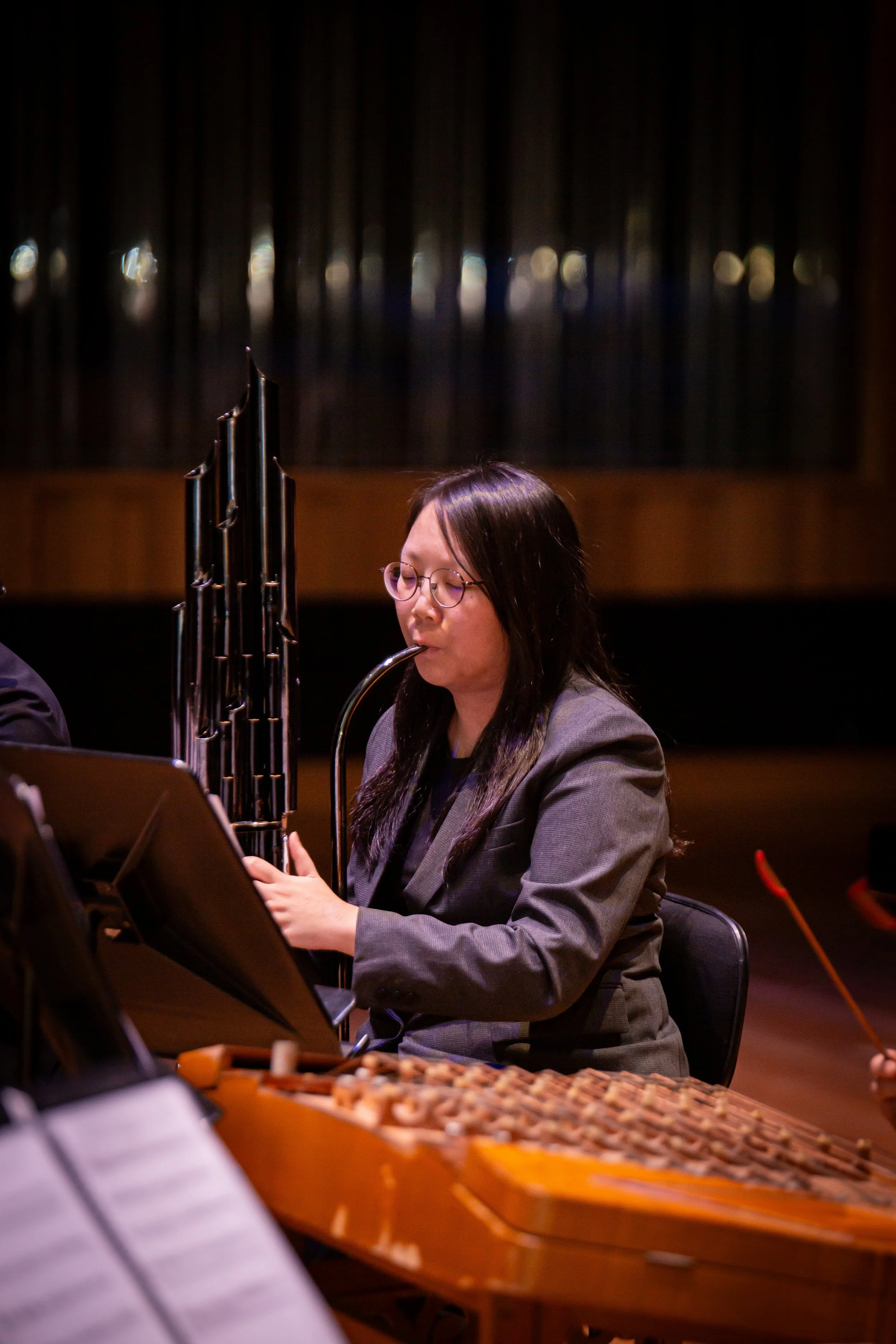
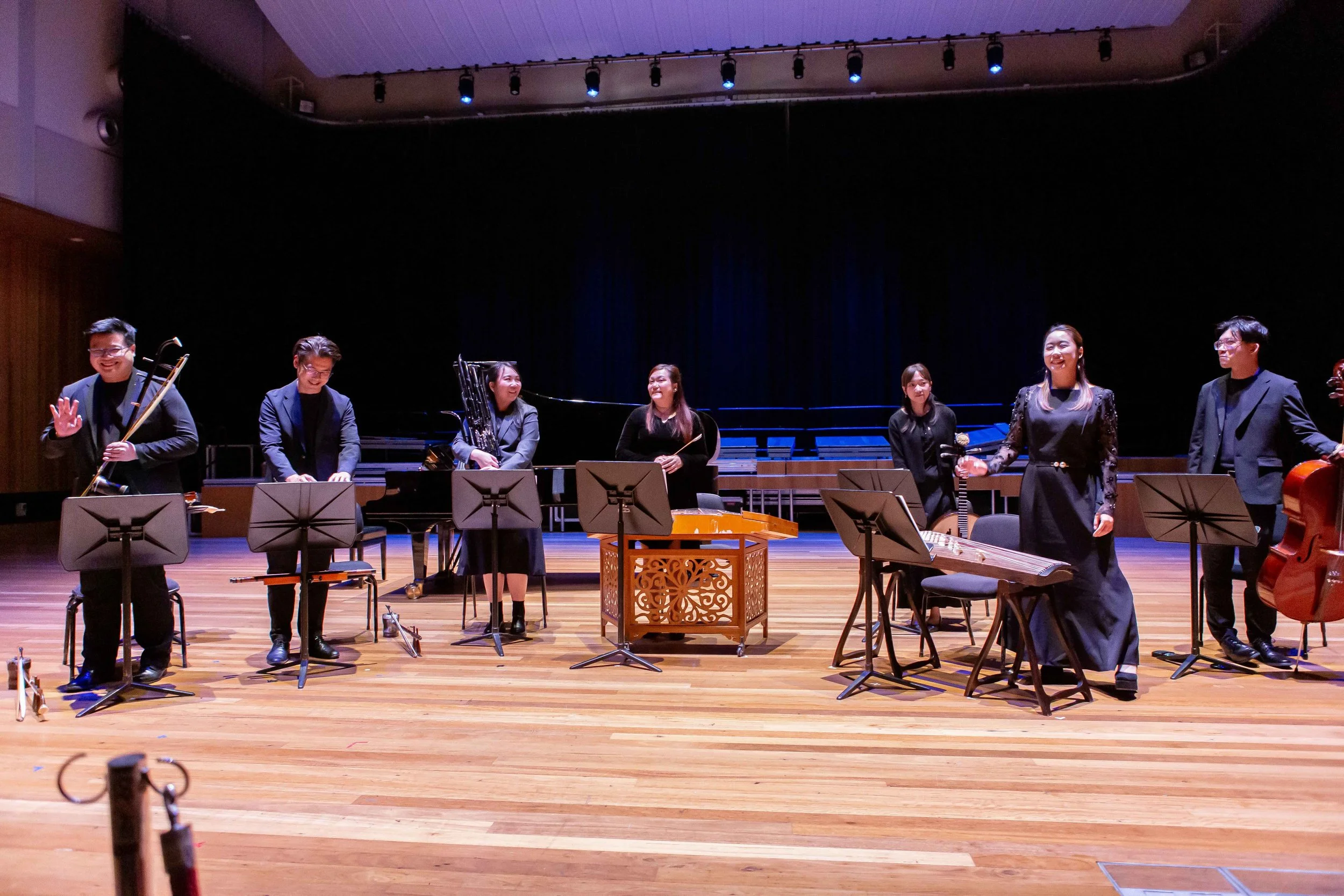
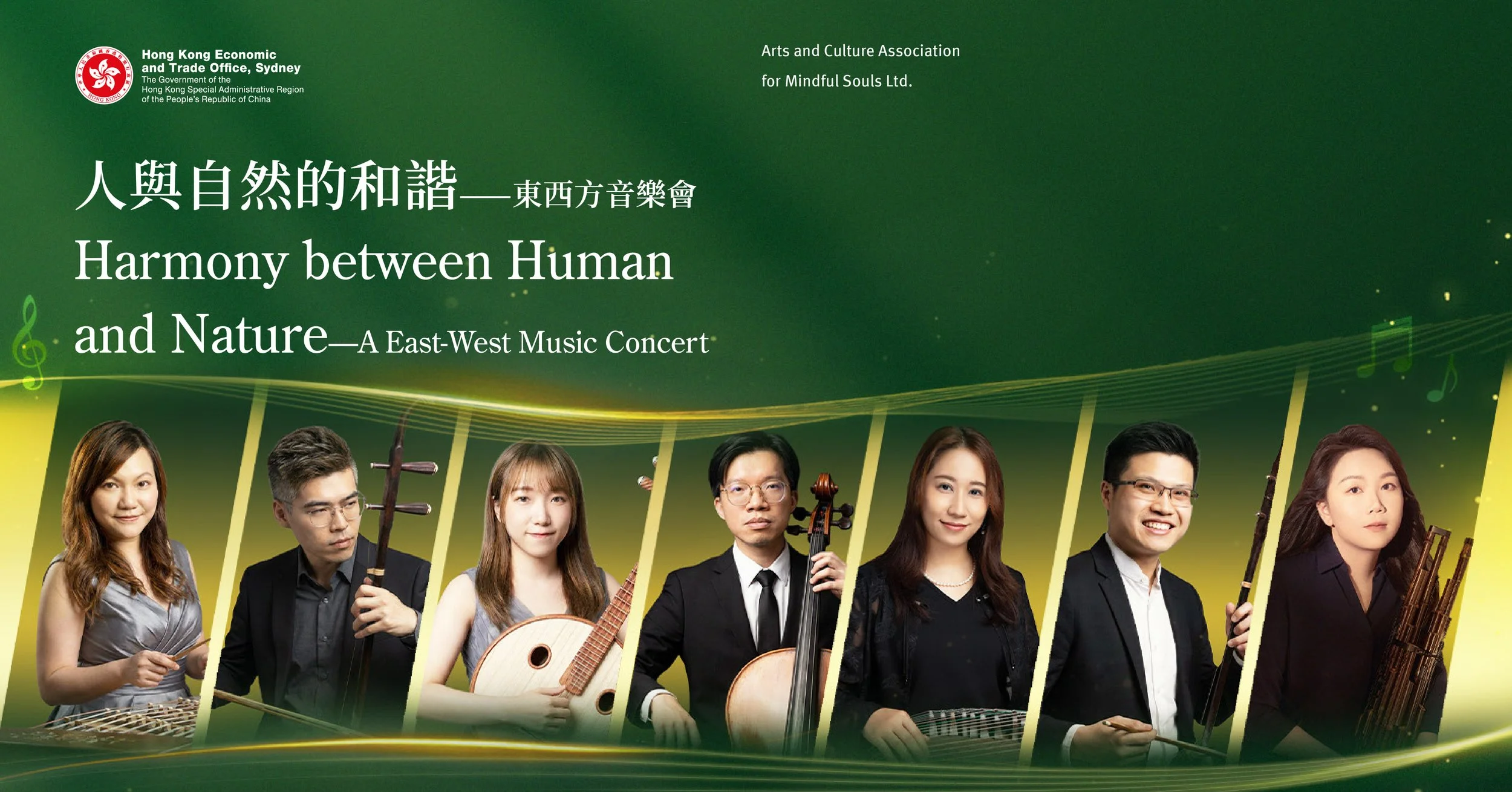
The ensemble brings together an exceptional combination of traditional Chinese instruments—including Huqin, Dizi, Sheng, Guzheng, and Ruan—with Western instruments such as piano, cello, and violin. The distinctive sounds orchestration creates a soundscape that transcends boundaries. This interplay not only highlights the versatility and richness of each musical tradition but also serves as a metaphor for the unity between people and nature, and between cultures themselves.
Behind the performance are artists whose paths to music have been shaped by passion, perseverance, and determination. For many members of the ensemble, a career in the performing arts was not a predetermined journey but one they pursued through dedication and conviction. It reflects Hong Kong’s social characteristics as an international city and cultural hub with its inclusiveness, integration, innovation and a place with extensive opportunities for talented people.
Events
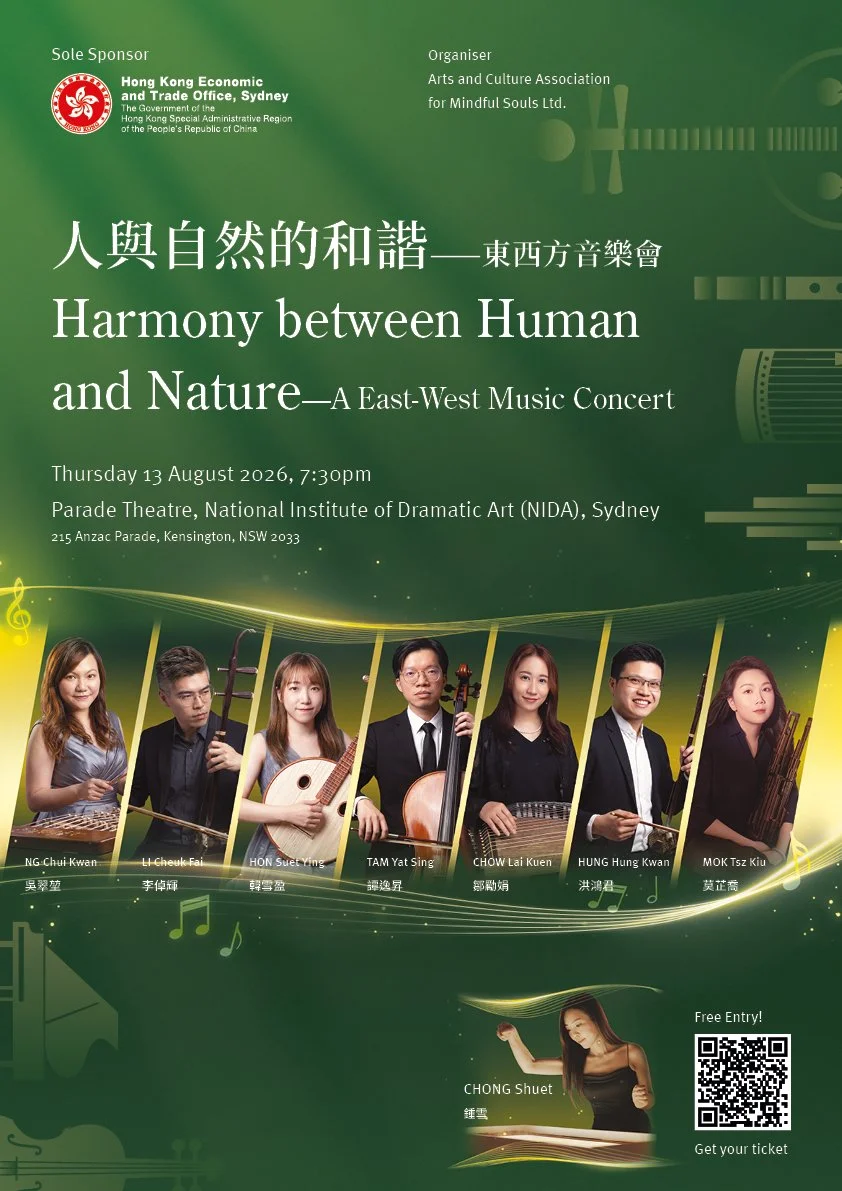
13 August 2026
Address
214 Anzac Parade
Kensington
NSW 2033
Venue
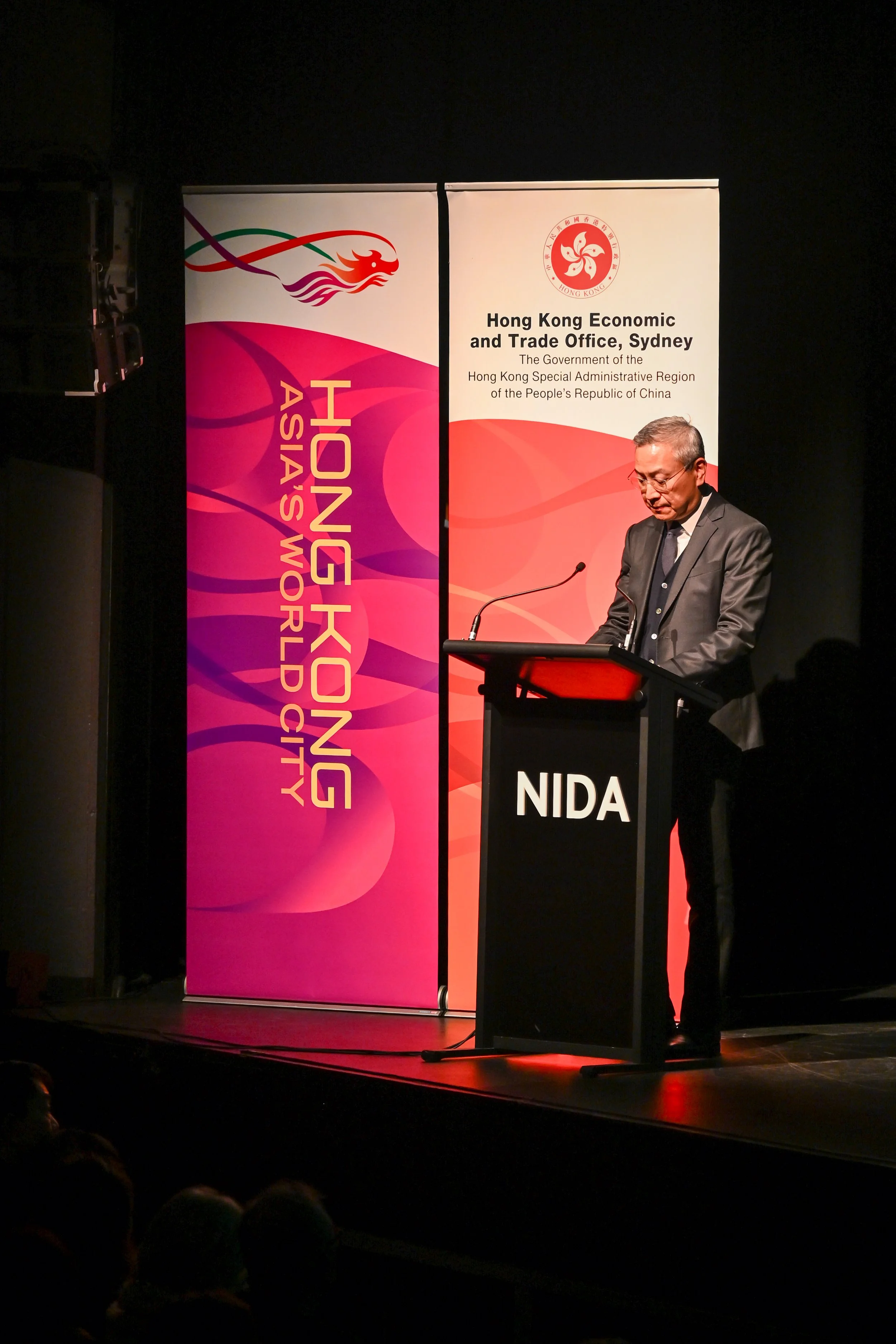
Parade Theatre
National Institue of Dramatic Art (NIDA)
Events
14 August 2026
Venue
Queensland Symphony Orchestra Studio
Address
114 Grey Street
South Brisbane
QLD 4101
節目 Programme Rundown
Peer Gynt Suite No.1, Op.46 I. Morning Mood
The piece depicts the rising of the sun during act 4, scene 4, of Ibsen’s play, which finds Peer Gynt stranded in the Moroccan desert after his companions took his yacht and abandoned him there while he slept.
2. Red Kapok
The kapok tree, also known as the red cotton flower, is called the “hero flower” because its blossoms are vibrant red yet not gaudy. The kapok tree is robust and upright, its wood tough and resilient, standing tall and proud like a hero reaching for the sky. The kapok tree blooms in March and April each year, the blooming of the red cotton flowers also signifies the end of winter and the arrival of spring.
3. The Carnival of the Animals No.13, The Swan
Saint-Saëns’ The Swan from The Carnival of the Animals is a serene, lyrical meditation on grace and mortality. Flowing lines evoke a swan gliding across still waters, its calm beauty tinged with quiet melancholy, making it one of the composer’s most poignant miniatures.
4. Sheng's Song of the Earth
The composer sought to praise the land through one of the most ancient instruments, hence the title “Sheng’s Song of the Earth”. The earth is the mother of humankind—steadfast and vast, nurturing endless life upon her boundless surface. A mother’s presence is filled with love; thus, this music carries the warmth and affection of that eternal bond.
5. Earth Song
Michael Jackson’s Earth Song, arranged for a small Chinese ensemble, becomes a contemplative dialogue between cultures. Traditional timbres intertwine with modern resonance, creating a soundscape that emphasises humanity’s fragile bond with nature. This reimagining invite listeners to consider ecological responsibility through a uniquely cross-cultural lens.
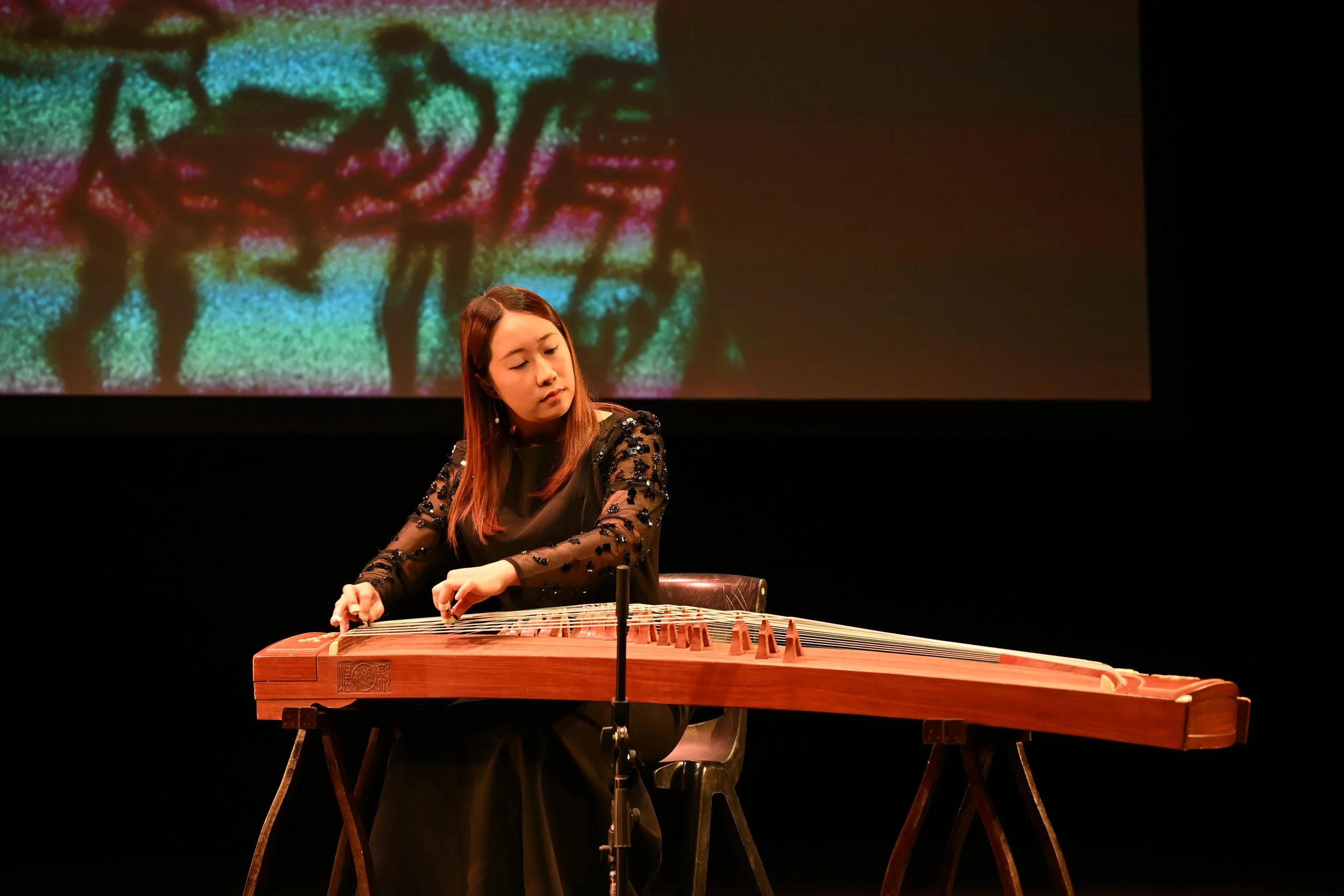
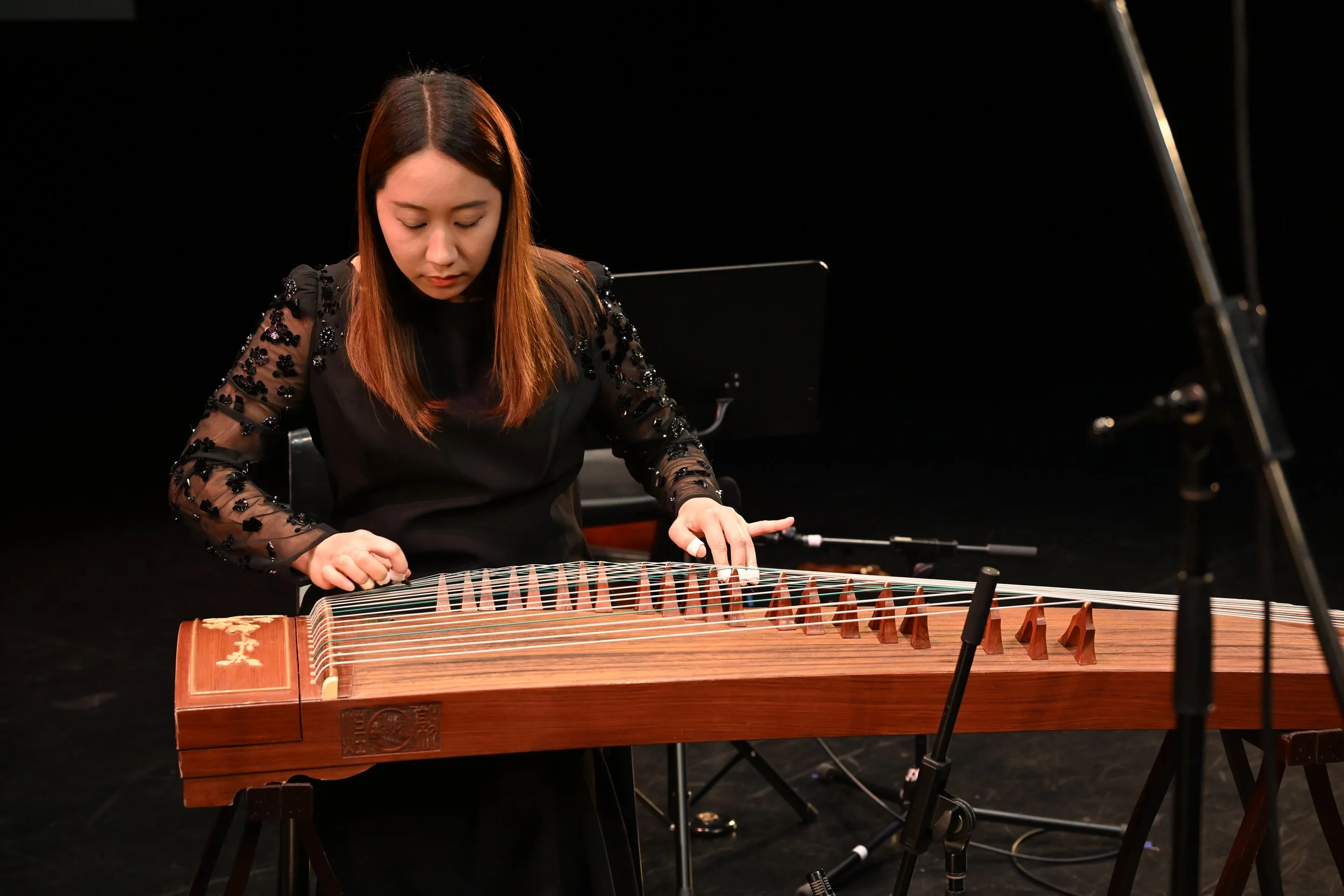
6. Battling the Typhoon (Guzheng Solo)
One of the best-known pieces in the guzheng repertoire composed by Wang Changyuan in the 1960s while he was living at the Shanghai harbour and observing the workers there. The music portrays harbour workers resisting a typhoon. It paints a scene in stages: the busy harbour, the storm approaching, the workers’ struggle, and finally their victory over the typhoon.
7. Wild Grass
This newly composed trio for Gaohu, Erhu and Piano invites listeners into a contemplative journey, honouring nature while reflecting on humanity’s shifting relationship with the environment. The music gradually expands beyond stillness, moving from reflection into dynamic currents that challenge and transform the listener’s meditation.
8. Ghibli Medley
A set of Ghibli melodies which relate to human and nature, chosen from “Nausicaä of the Valley of the Wind”, “Princess Mononoke”, “Spirited Away”, “My Neighbour Totoro”, and “Ponyo”.
9. Thunder in a Drought, Autumn Moon on a Placid Lake, Riding out in Spring
A medley on three of the most popular pieces from Cantonese Music. The first piece expresses the joy people feel when, after a long drought, they see dark clouds and hear thunder. The second piece is arranged with improvisational and multi-layered techniques, it symbolizes people boating on a lake, chatting leisurely while enjoying the scenery. The last piece vividly portrays the scene of galloping on horseback through the countryside in spring.
10. Moonlight Over the Spring River (Piano Solo)
Doming Lam’s piano transcription of Moonlight Over the Spring River preserves the flowing lyricism of the traditional melody while adapting it into shimmering textures. The arrangement highlights poetic imagery and cultural fusion, offering a contemplative, modern interpretation.
11. Film Music Medley
An arrangement combining music from “Cast Away”, “Life of Pi”, and “The Sound of Music” creates a journey of survival, wonder, and joy. Evocative themes intertwine to balance solitude, spiritual discovery, and timeless melody, offering a compact yet emotionally rich cinematic soundscape.
表演者介紹
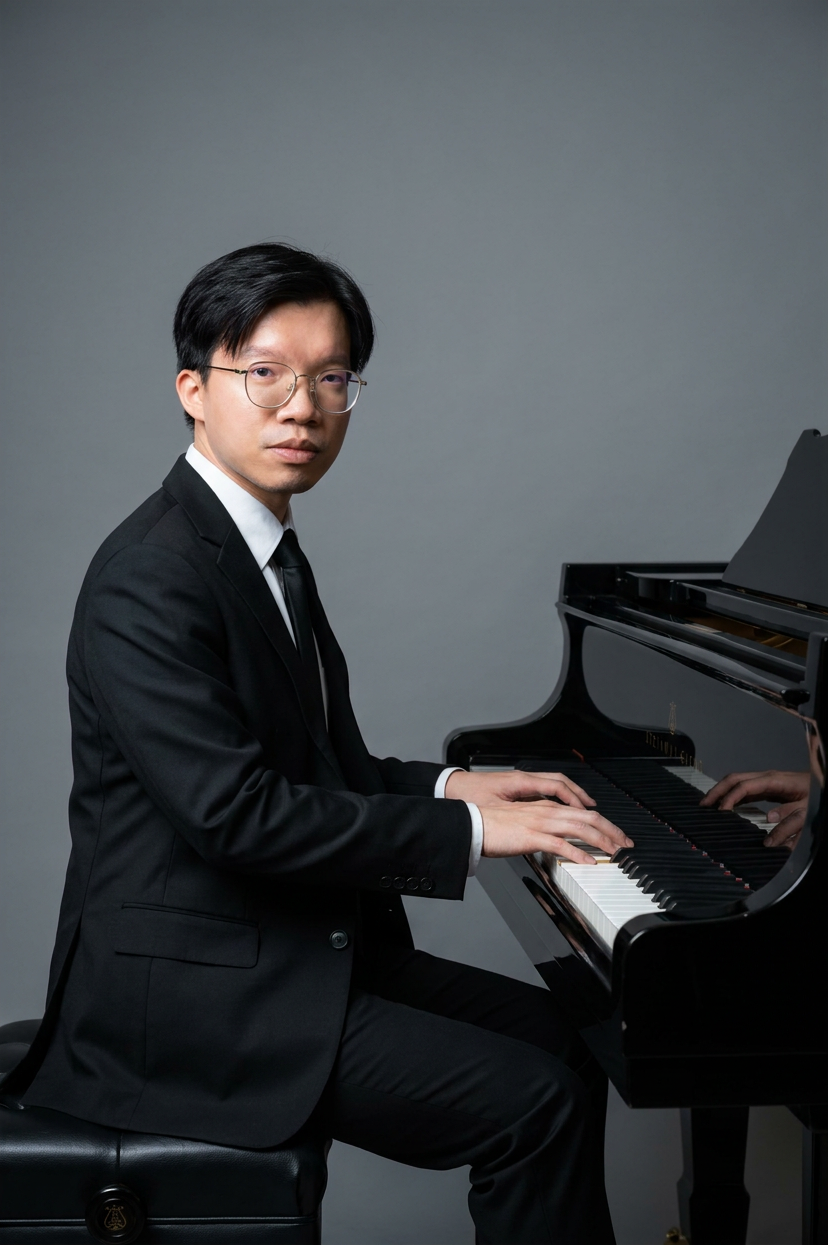
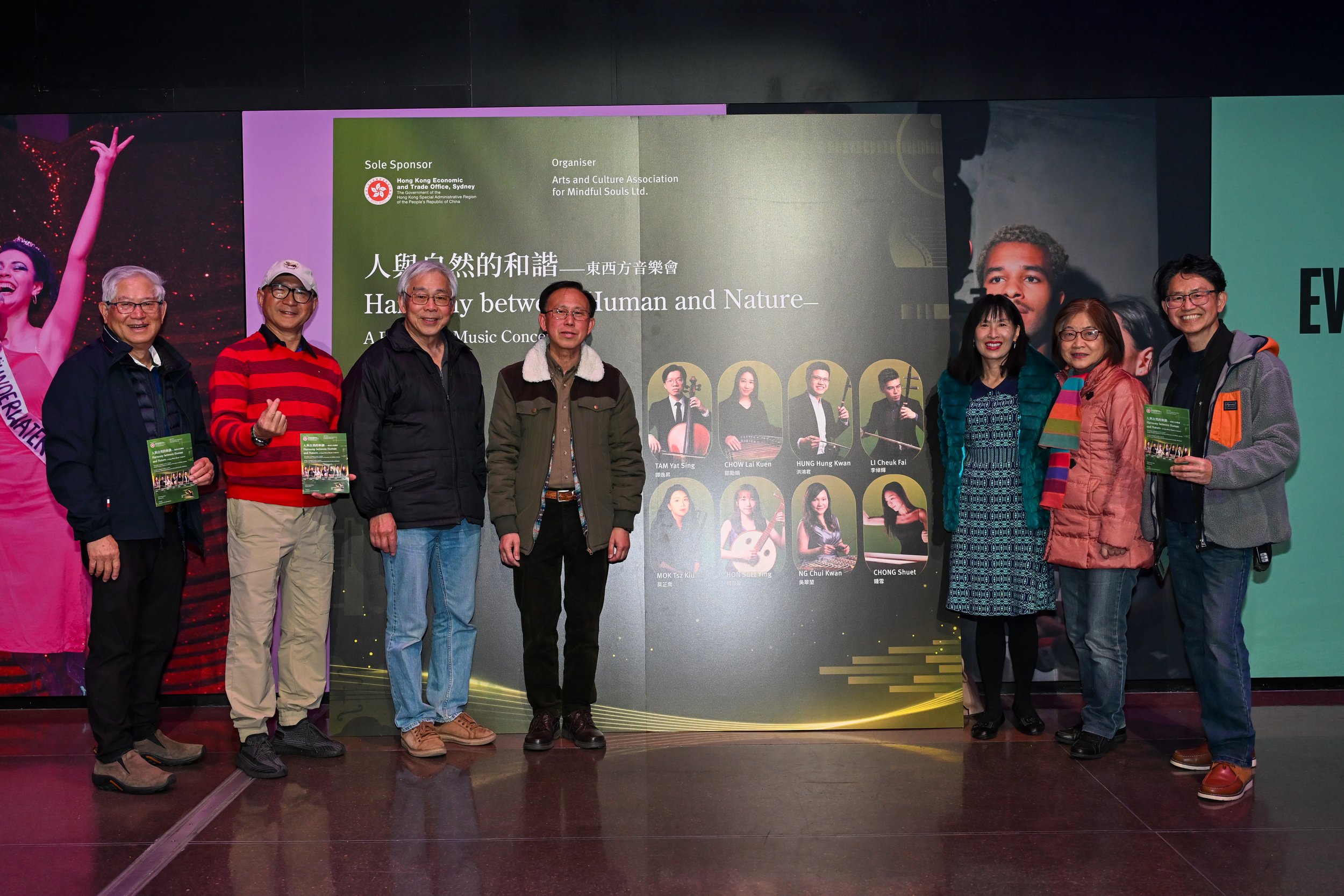
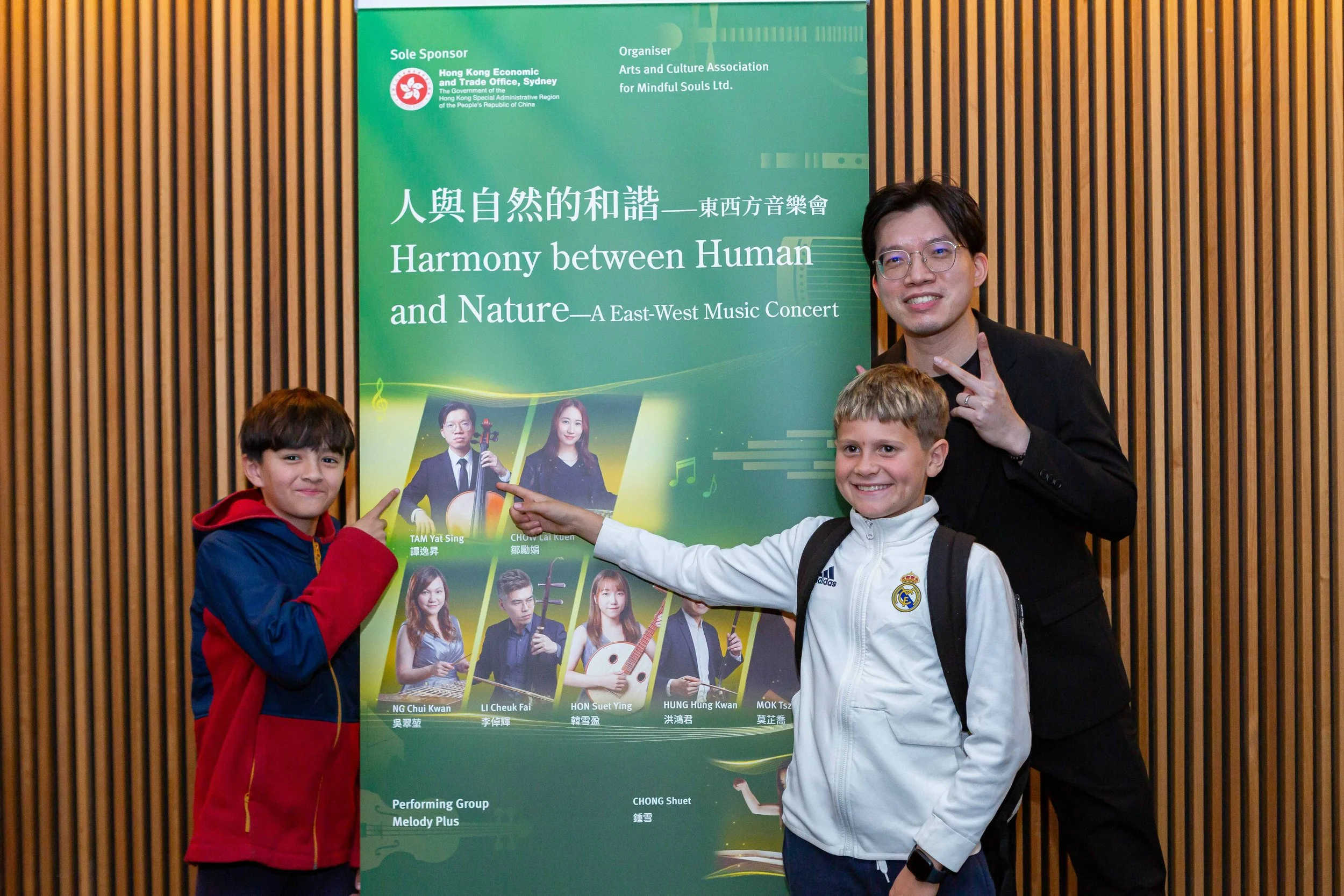
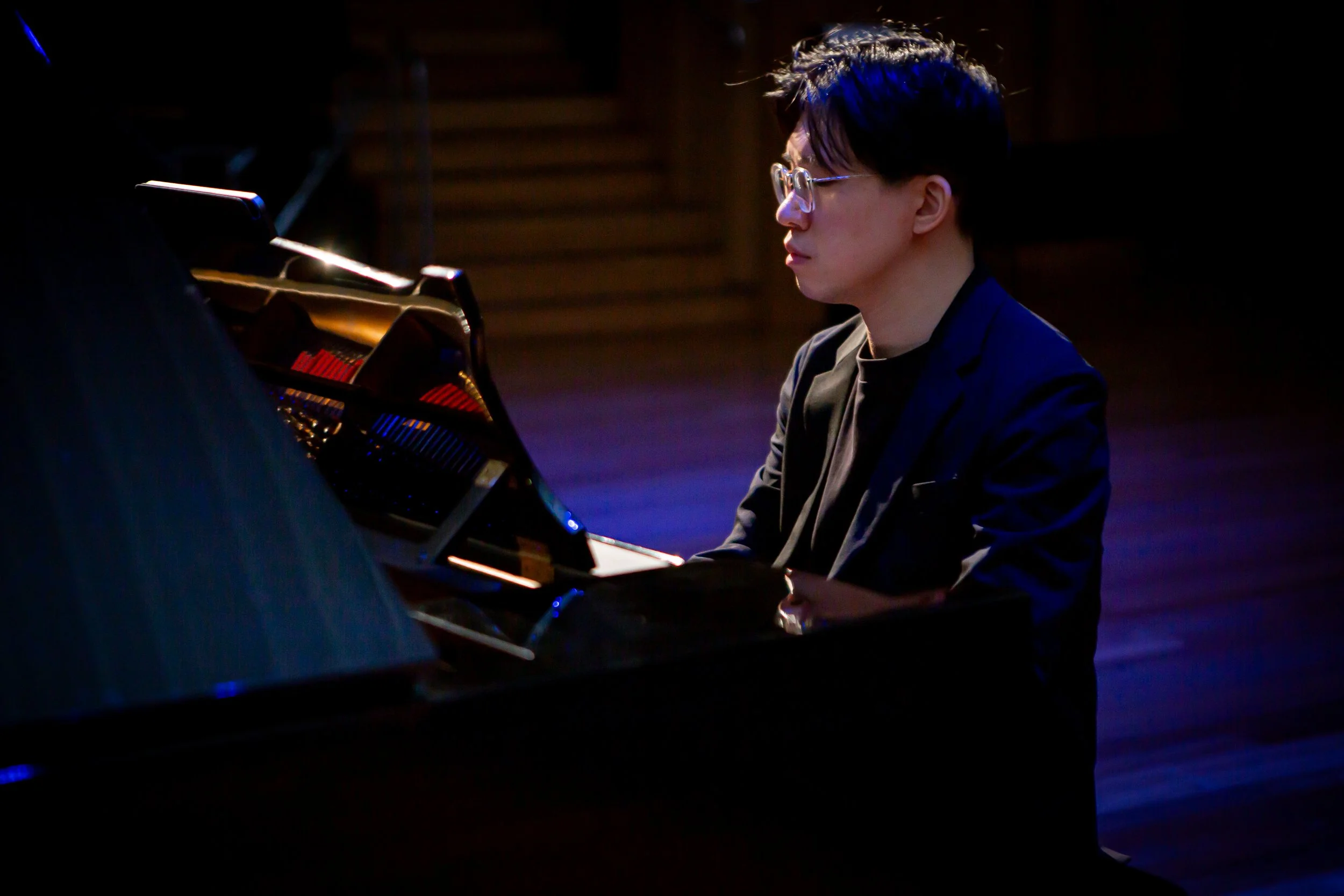
譚逸昇 Tomme TAM Yat Sing
作曲 / 編曲 / 鋼琴 / 大提琴
Composer / Arranger / Piano / Cello
Tam holds both a Master’s and Bachelor’s degree in Music (Arts) from The Chinese University of Hong Kong. He began piano studies in childhood under Mr. Bernard Hui and later studied with Ms. Nancy Loo. He also studied cello with Mr. Cheung Ming- yuen and yangqin with Mr. Chan Kwok-fai. Tam studied composition under the late Mr. Yau Siu-pun. His compositional style blends traditional, ethnic, and modern elements. In 2017, his work Beating the Petty Person won three major awards at the “Chinese Music Without Bonds – International Composition Competition” organized by the Hong Kong Chinese Orchestra (HKCO): “Best Work in a Hong Kong Theme”, “Media & Publishers’ Favourite Original Composition,” and “Audience Favorite Original Composition.” He is also a regular arranger for HKCO and the Windpipe Chinese Music Ensemble.
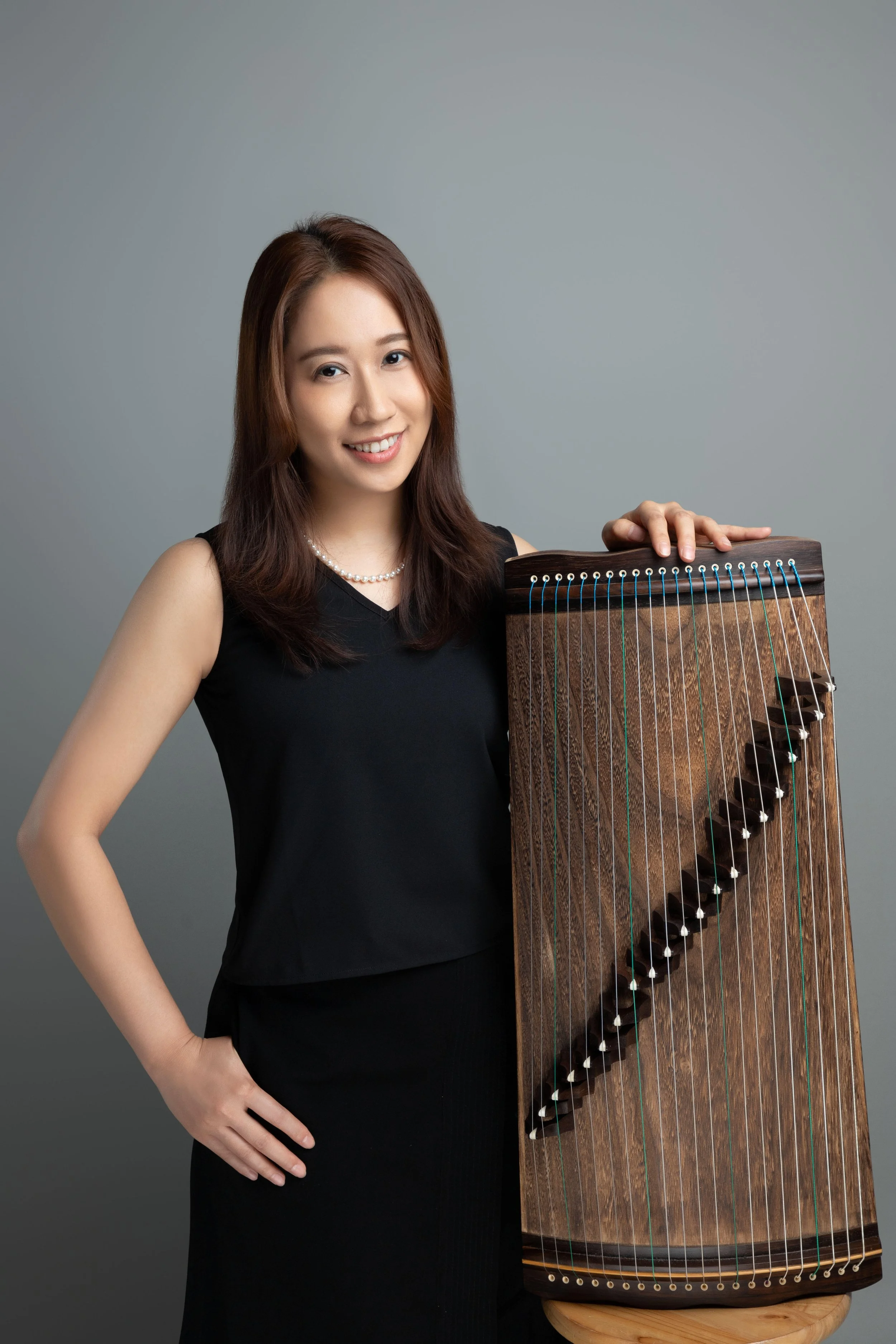
鄒勵娟 Janet CHOW Lai Kuen
古箏
Guzheng
Janet earned her Bachelor degree in Music majoring in Guzheng from the Hong Kong Academy for Performing Arts, and a Master degree in Cultural Management from the Chinese University of Hong Kong. She also received a Master degree in Musicology (distance learning) from the Central Conservatory of Music in Beijing. In her university study she received the HSBC Scholarship and was invited by the HK Trade Development Council to tour performed in various European countries as a Guzheng soloist. Janet is now an examiner for the National Ministry of Culture’s Social Arts Proficiency Examination. She won the “Excellent Tutor Award”, served as a judge for the “Dunhuang Cup Guzheng Competition”, “Asian Youth Arts Festival”, “Instrumentalist Competition of the China-Japan Youth Music and Art Festival” (Tokyo University of the Arts, Japan), and many more competitions.
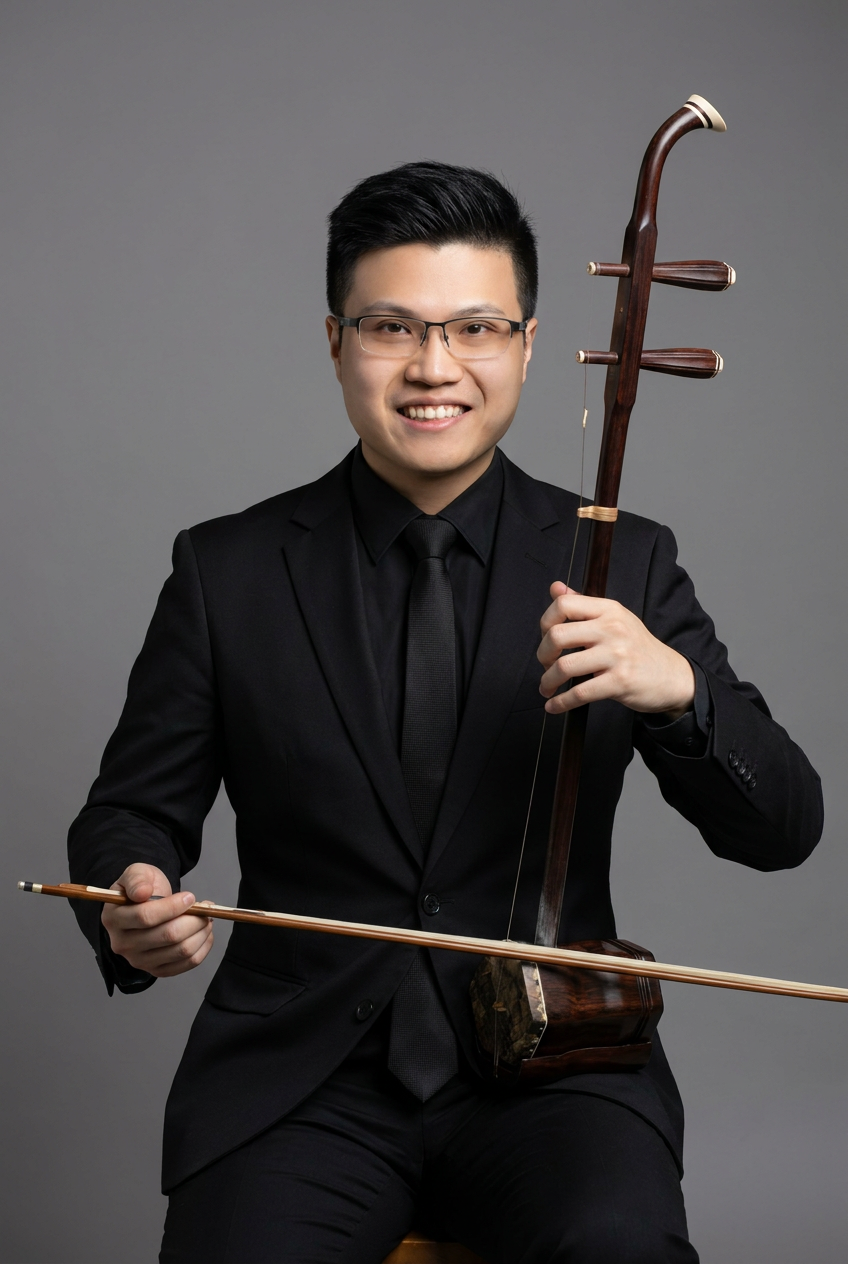
洪鴻君 HUNG Hung Kwan
小提琴 / 胡琴
Violin / Huqin
Hung Hung Kwan holds a Master’s degree in Music (Arts) from The Chinese University of Hong Kong and a Bachelor’s degree in Computer Engineering from City University of Hong Kong. He studied erhu with the late Mr. Yau Siu-pun in his early years and later advanced his skills in erhu, banhu, and jinghu under the late Mr. Tong Leung-tak. He also studied composition with Mr. Yau and Professor Chan Wai- kwong. Hung frequently serves as conductor, soloist, concertmaster, vocalist, composer, and arranger in various concerts.
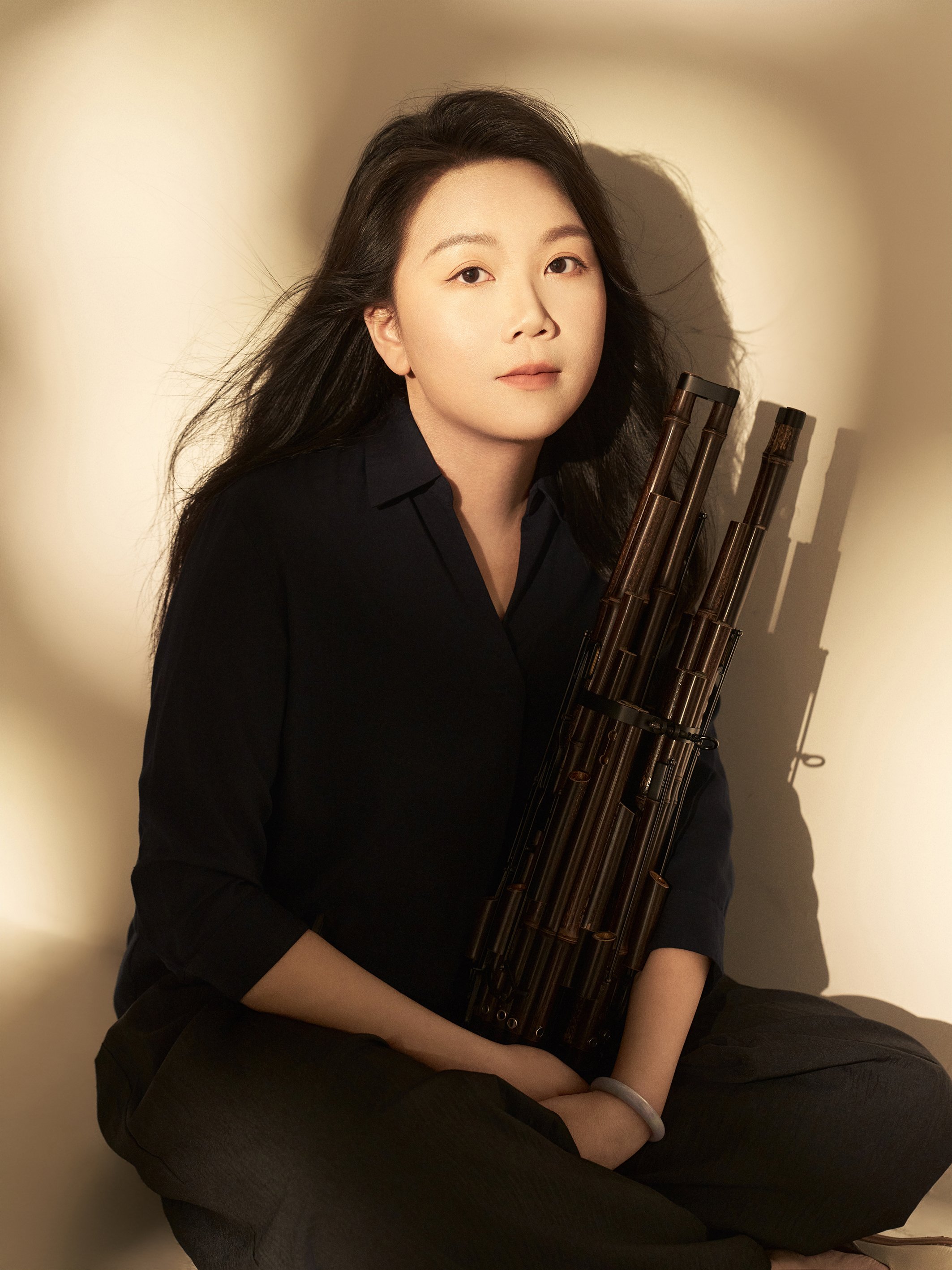
莫芷喬 MOK Tsz Kiu
笙
Sheng
Mok Tsz Kiu holds a Master of Science in Analytical Chemistry and a Bachelor of Science in Chemistry from Hong Kong Baptist University. She studied sheng under Ms. Yang Sin-yu and is currently continuing her studies with Ms. Huang Ying-ti. She also received guidance from Mr. Weng Zhen-rong in Beijing. Mok’s recent notable performances include the 2021 sheng solo Winter Hunt and the 2023 Hong Kong premiere of Hip (by Diao Peng) for sheng and piano duet.
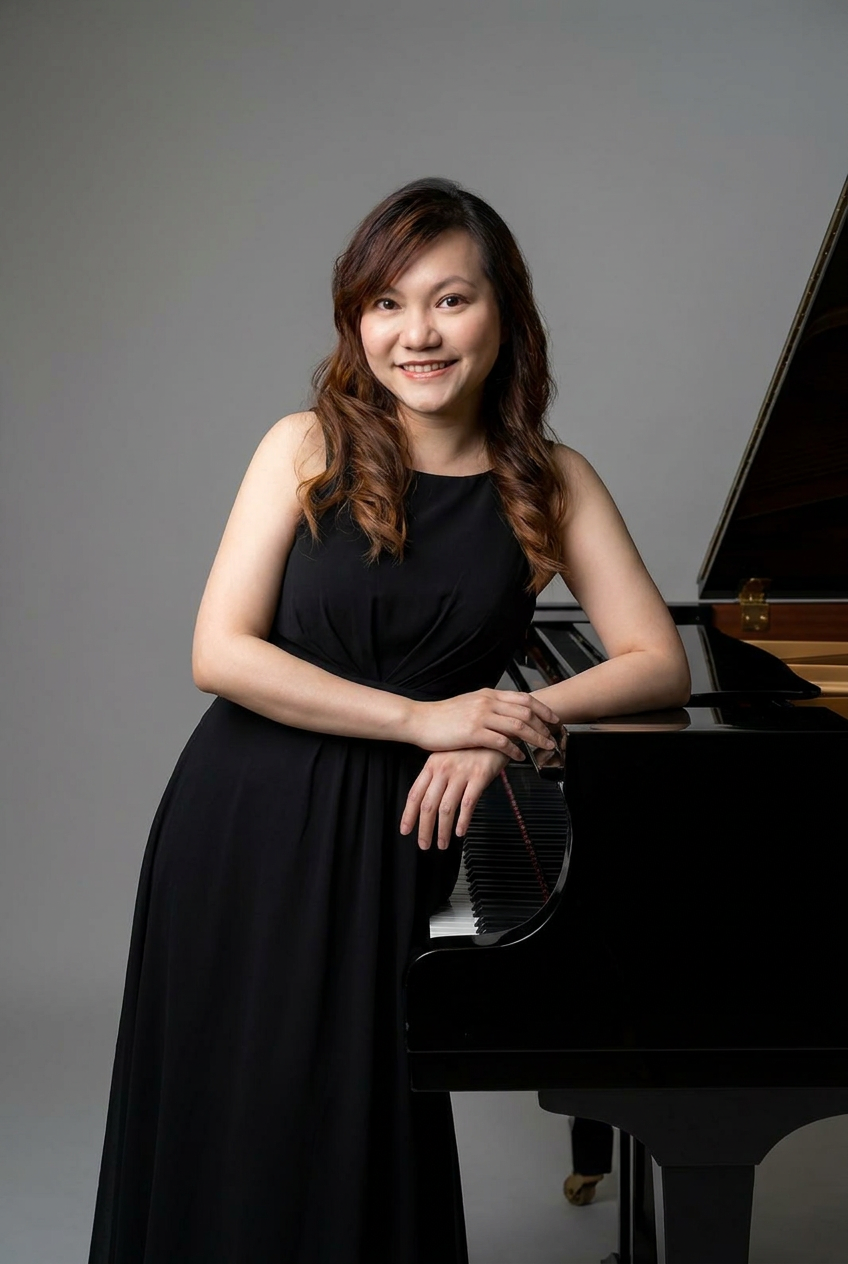
吳翠堃 NG Chui Kwan
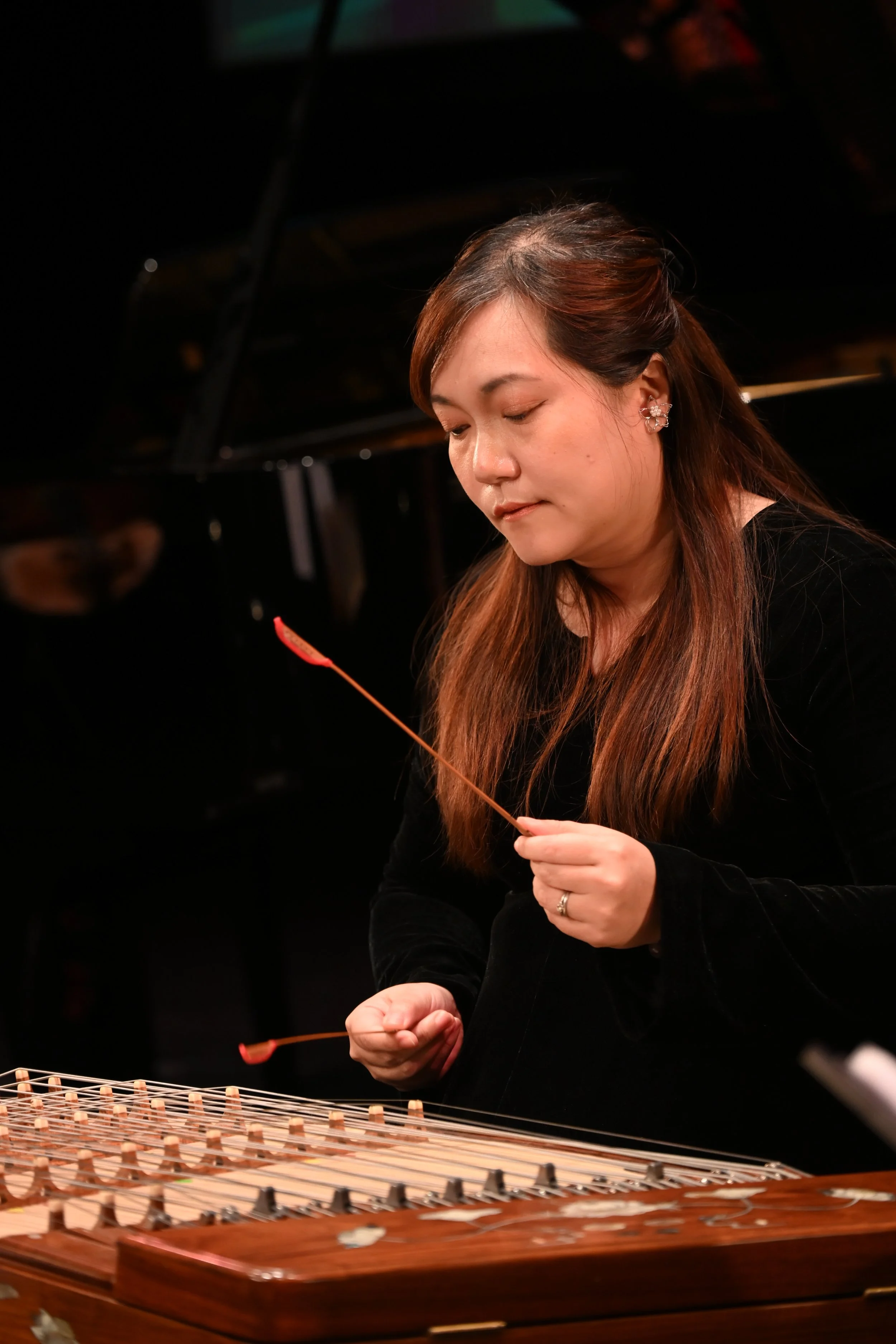
揚琴 / 鋼琴
Yangqin / Piano
Born in Hong Kong, Ms. Ng is a yangqin and piano performer, educator, and conductor. She holds a Bachelor’s degree in Translation and Interpretation from City University of Hong Kong and is currently pursuing a Master’s in Education at the University of Manchester, UK. She holds a Yangqin Performance Diploma from the Central Conservatory of Music. In 2023, she premiered her yangqin ensemble work “Moon”, followed by “Cloud” and “Star” in 2024 and 2025.
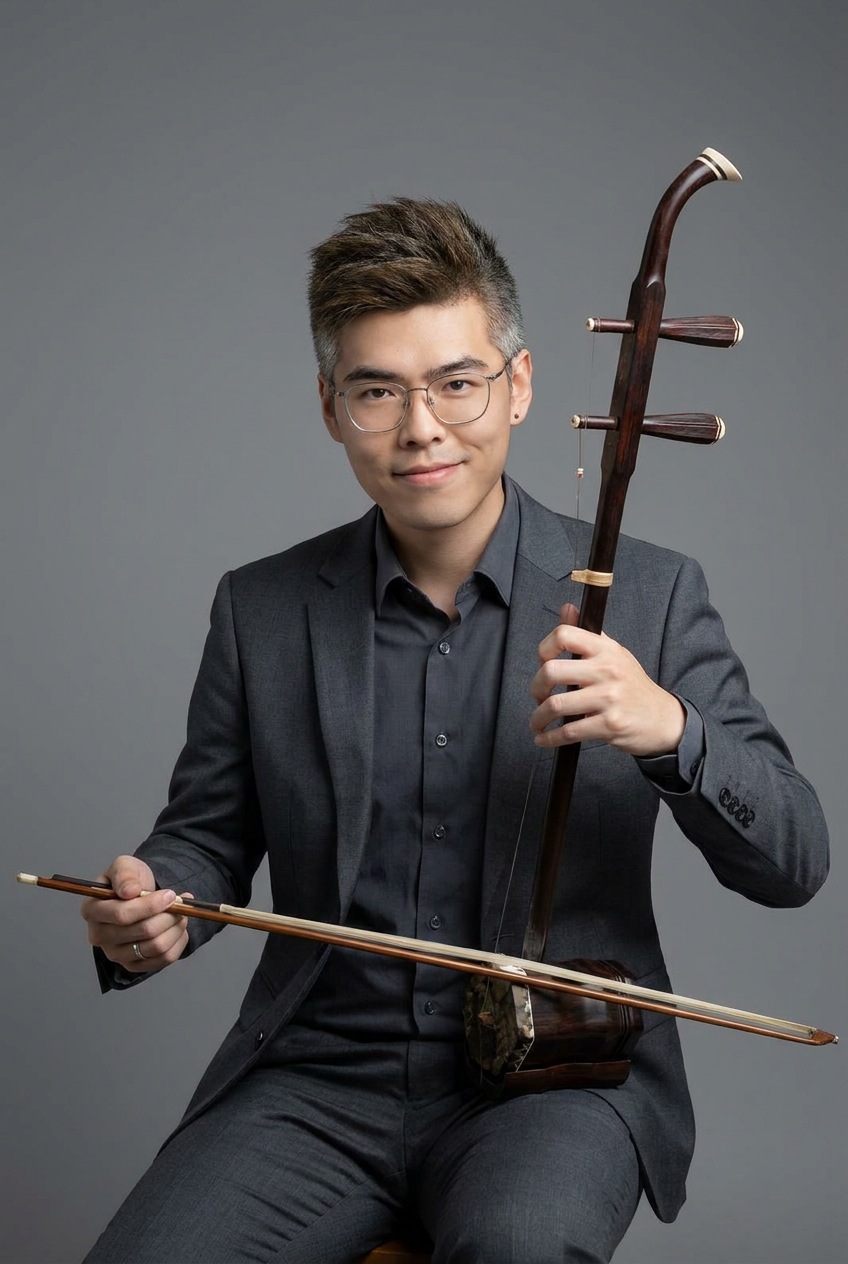
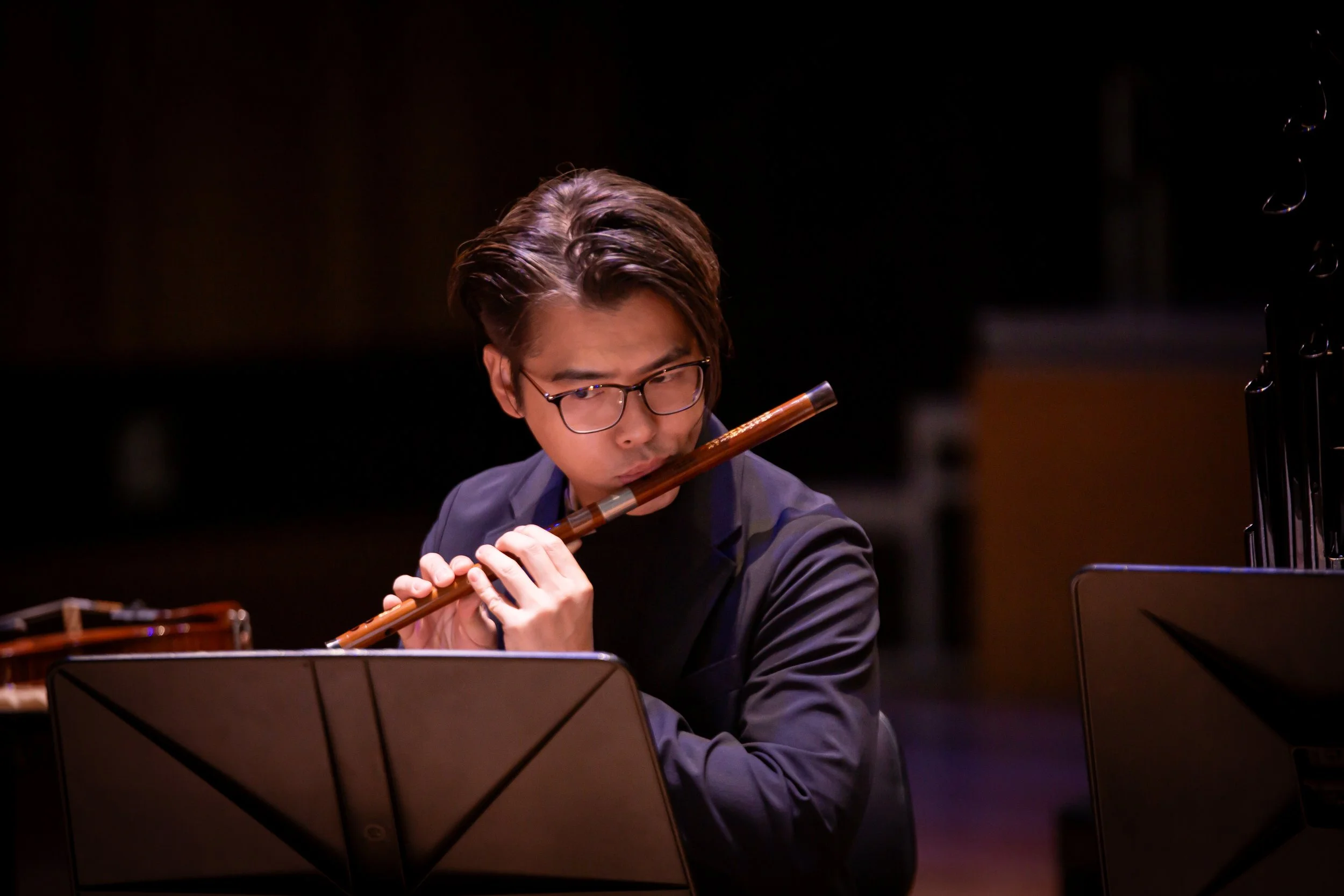
李倬輝 LI Cheuk Fai
胡琴 / 笛子
Huqin / Dizi
Li graduated with a degree in Applied Biology from Hong Kong Baptist University. He began studying erhu in secondary school under the late Mr. Yau Siu-pun and participated in multiple editions of the Hong Kong Schools Music Festival, winning several awards. Li remains active in the performing arts and currently serves as Principal Zhonghu of the New Tune Chinese Orchestra. In addition to leading ensemble performances, he has appeared as conductor, erhu and banhu soloist, vocalist, chamber musician, and choir member.
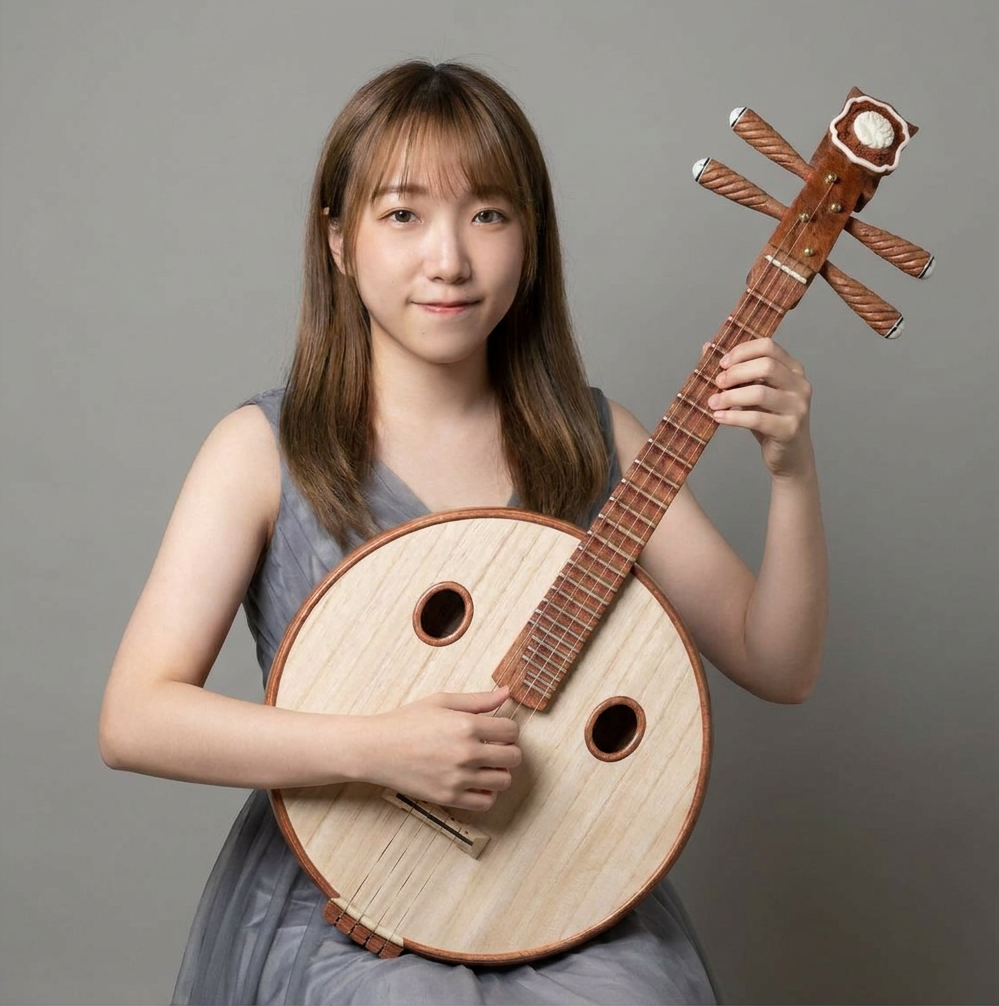
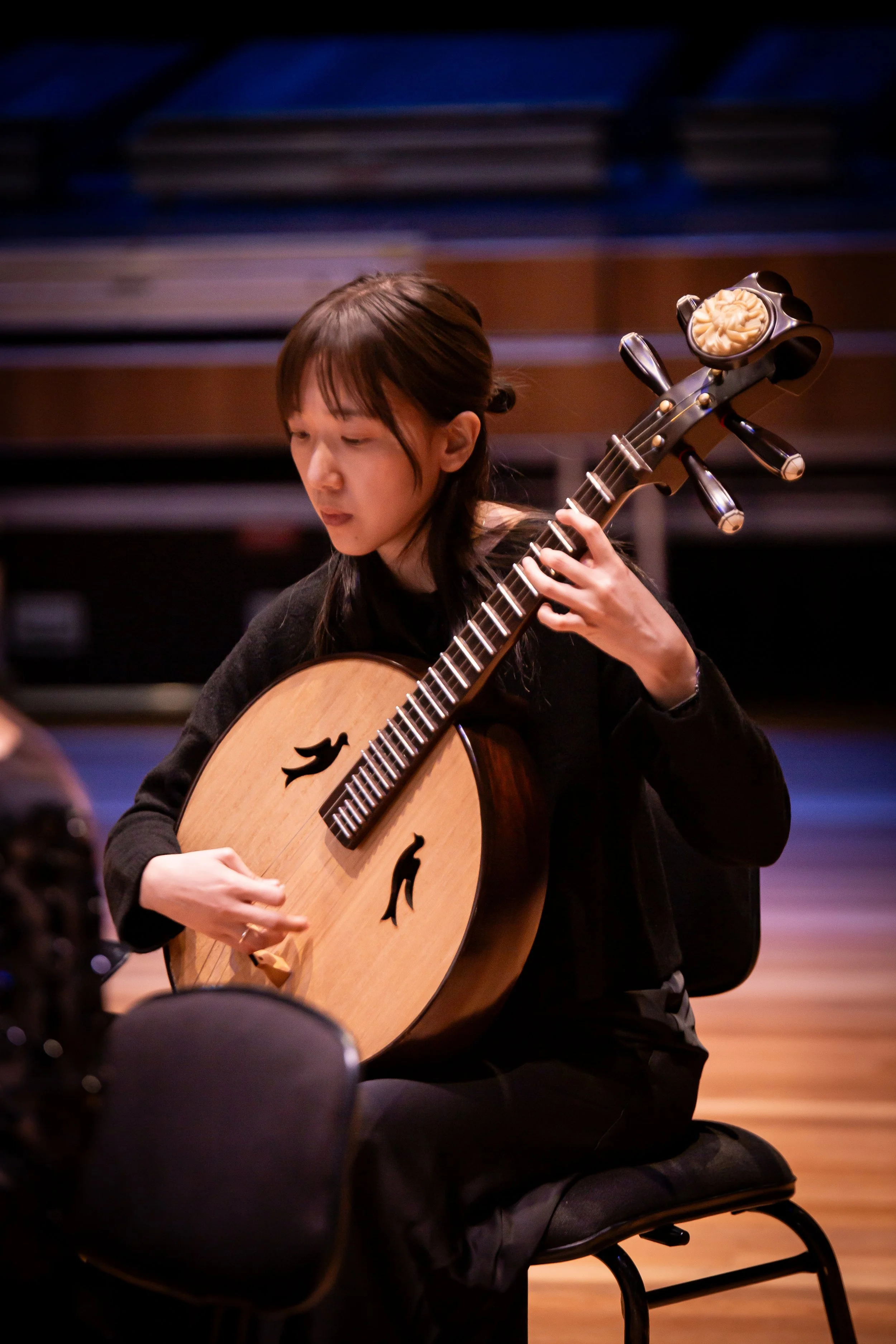
韓雪盈 HON Suet Ying
阮
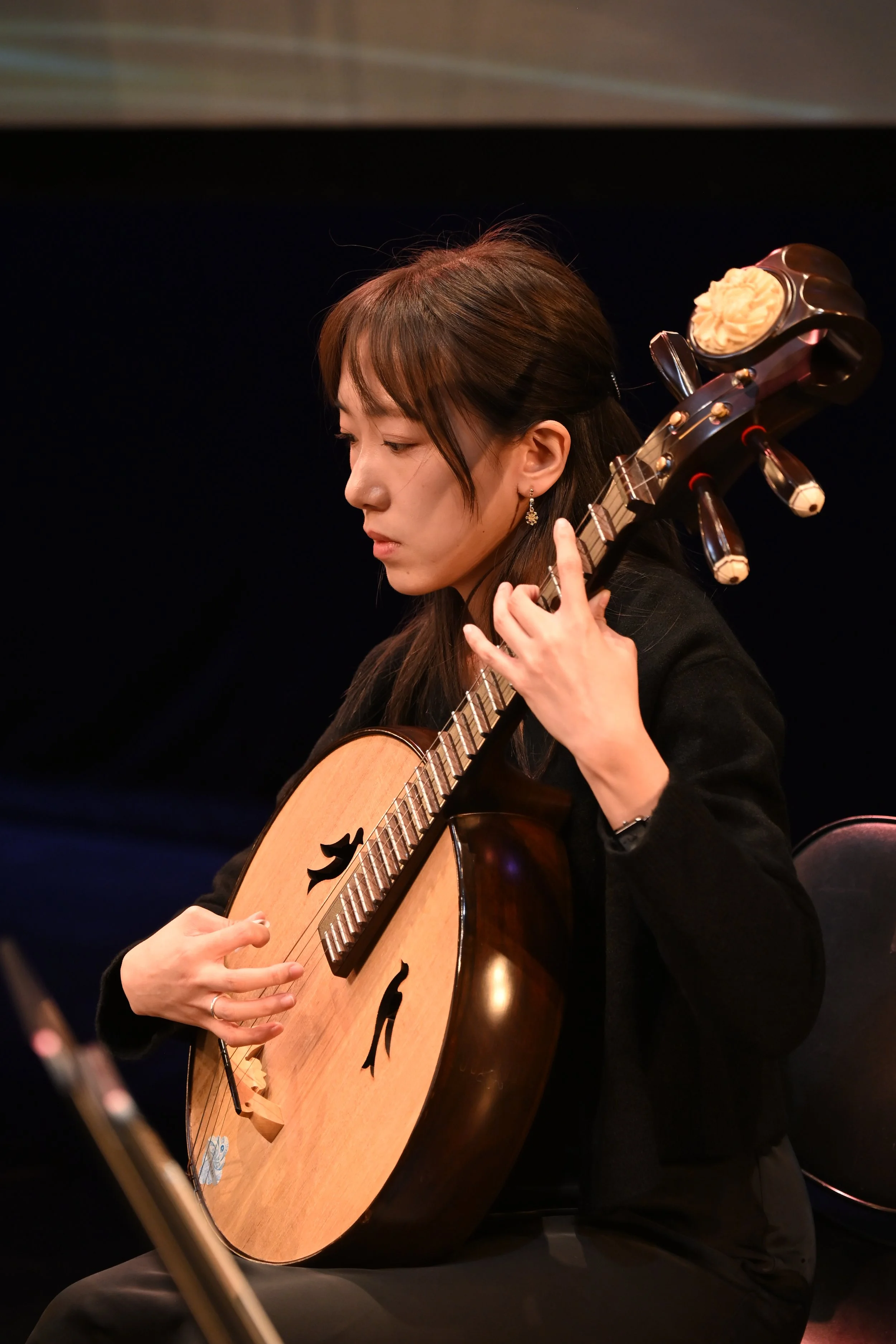
Ruan
Hon Suet Ying began studying liuqin in childhood under Mr. Wong Po-wah, later expanding her studies to pipa and receiving guidance from the late Mr. Yau Siu-pun. During secondary school, she won multiple awards at the Inter-School Music Festival. She joined the New Tune Juvenile Chinese Orchestra in 2007 and performed as a soloist in the “Youth Brilliance II” concert. In 2009, she became a member of the main New Tune Chinese Orchestra and has since actively participated in performances.
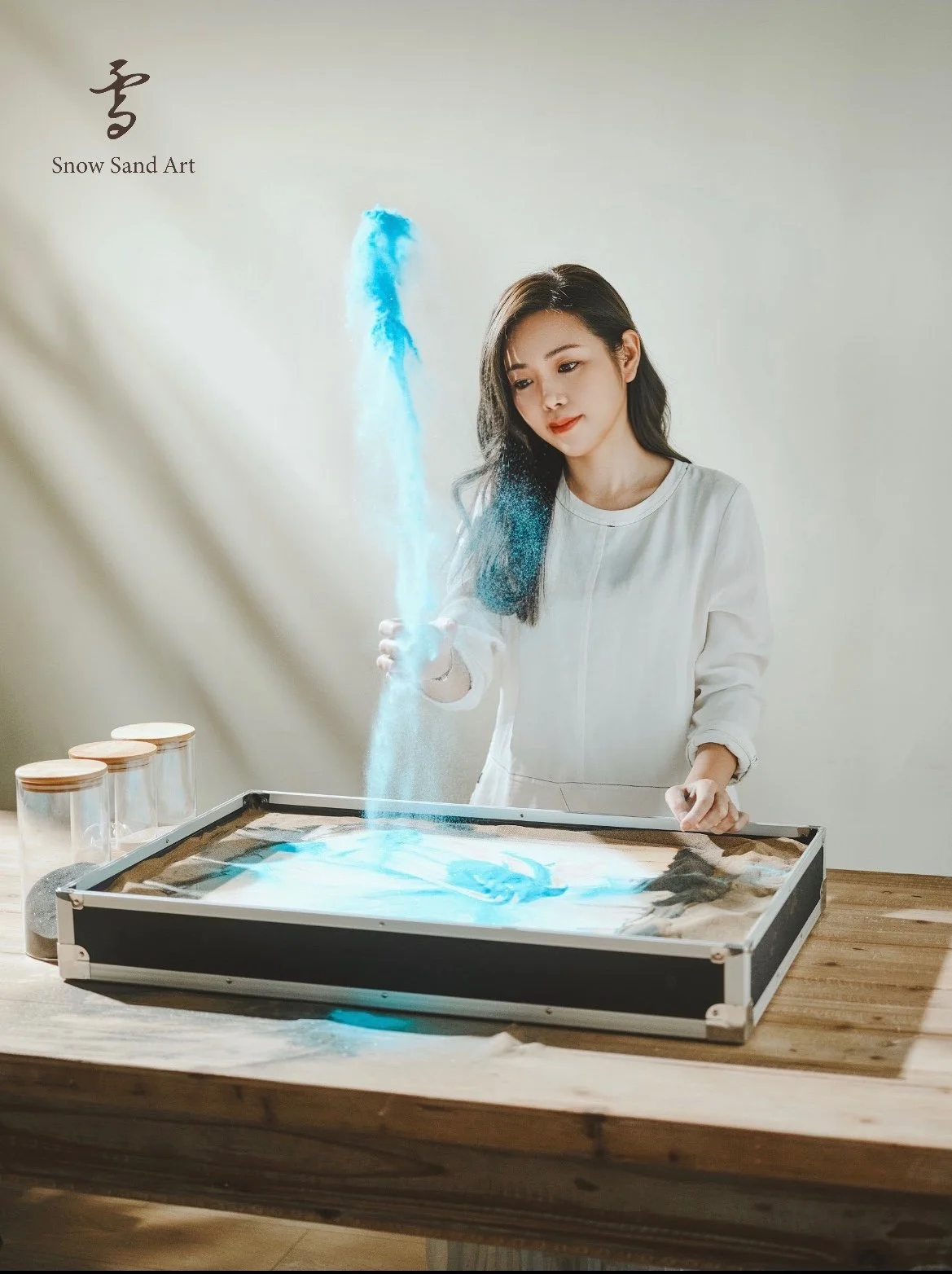
鍾雪 Snow, CHONG Shuet
沙畫
Sand Painting
Snow Chong Shuet is a celebrated Hong Kong sand artist, President of the Hong Kong Sand Art Association, and Founder of the Flow Sand Art Academy. Recognised for her exceptional visual storytelling, she was honoured as a local designer for the Hong Kong Trade Development Council’s “Hong Kong Creative Force” for three consecutive years.